Cite as: P. Ericson, J. Fall; 2011; Taxation of closely held corporations – efficiency aspects; International Journal of Microsimulation; 4(2); 27–40. doi: 10.34196/ijm.00051
Abstract
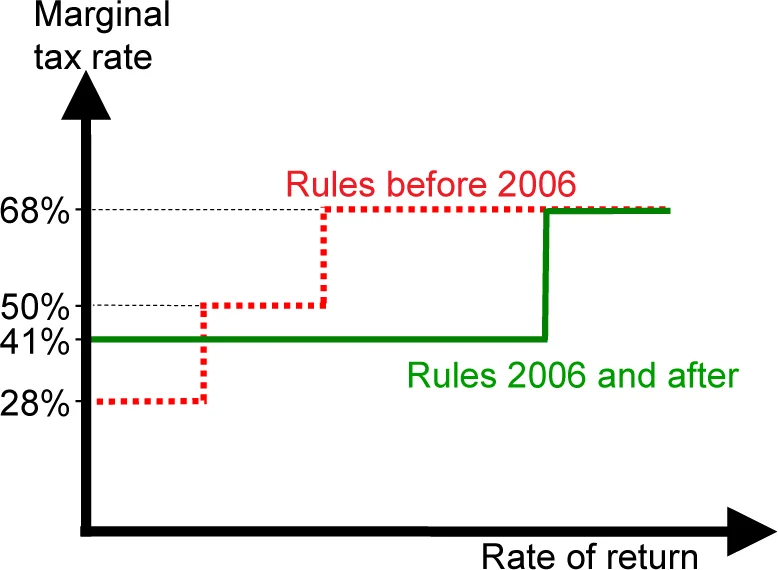
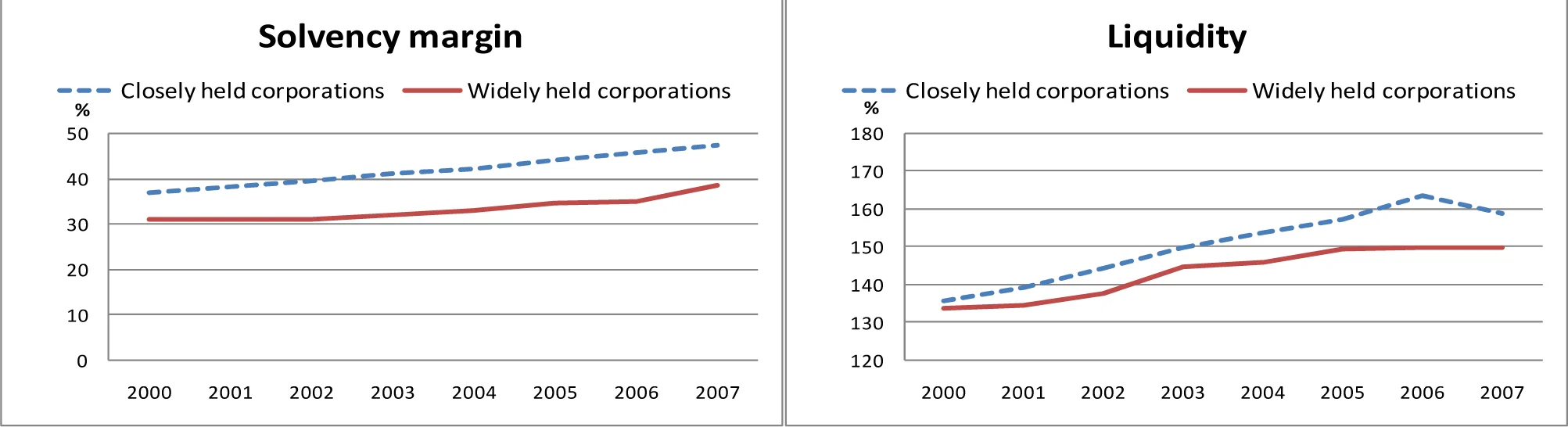
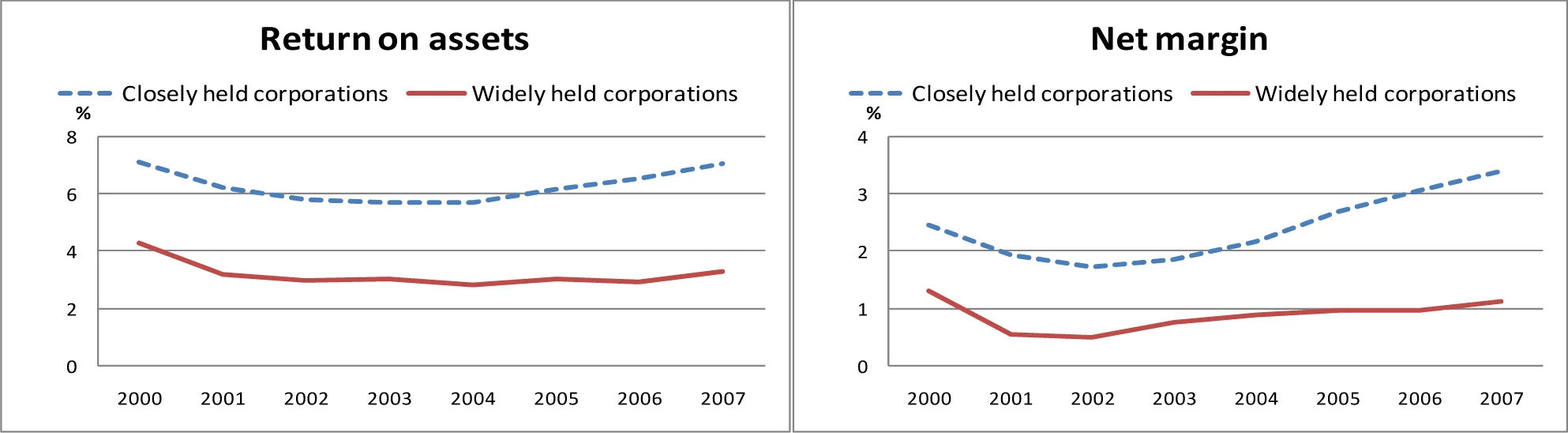
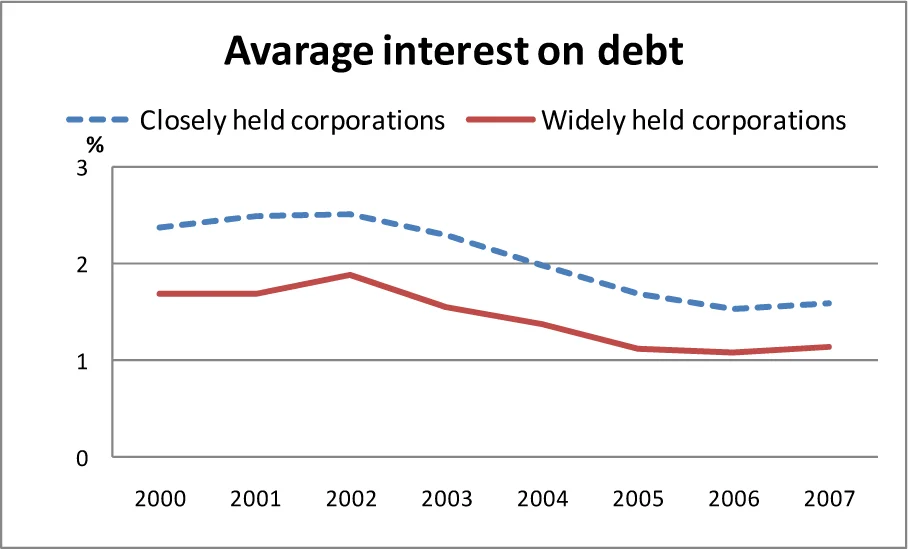
This paper investigates two questions regarding closely held corporations. First, possible differences between closely and widely held corporations are explored. Second, a model is developed to investigate what factors and to what extent these factors influence a person to become an active owner of a closely held corporation. A background to the first question is that profits in closely held corporations in Sweden may be taxed as labour income, with a progressive marginal tax, while profits in corporations with broad ownership are taxed as capital income, at a flat rate. If the expected return after tax is lower in closely held corporations compared to corporations with a broad ownership, entrepreneurs and investors will demand a higher pre-tax risk-adjusted return. Evidence from Swedish data, covering all Swedish corporations, does not seem to reject these hypotheses. The model developed to address the second question utilizes extensive individual panel data. Some simple simulations are carried out, indicating that changes in taxation have important impact on the propensity to become a closely held corporation owner. A conclusion is that the tax-system restrains entrepreneurship and potentially employment and growth. Some suggestions to improve and expand the model are issued. Remaining key questions are e.g. how do changes in the tax rules for closely held corporations affect efficiency aspects with significance for e.g. employment, government tax revenue and income distribution.
This article contains 11 figures and 5 tables.
Figures
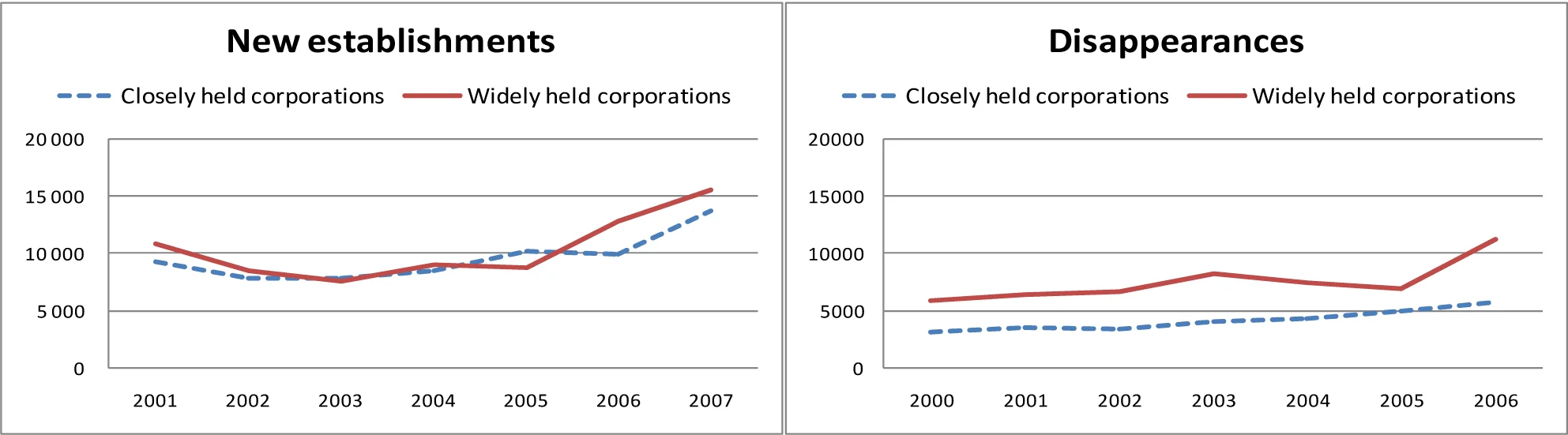
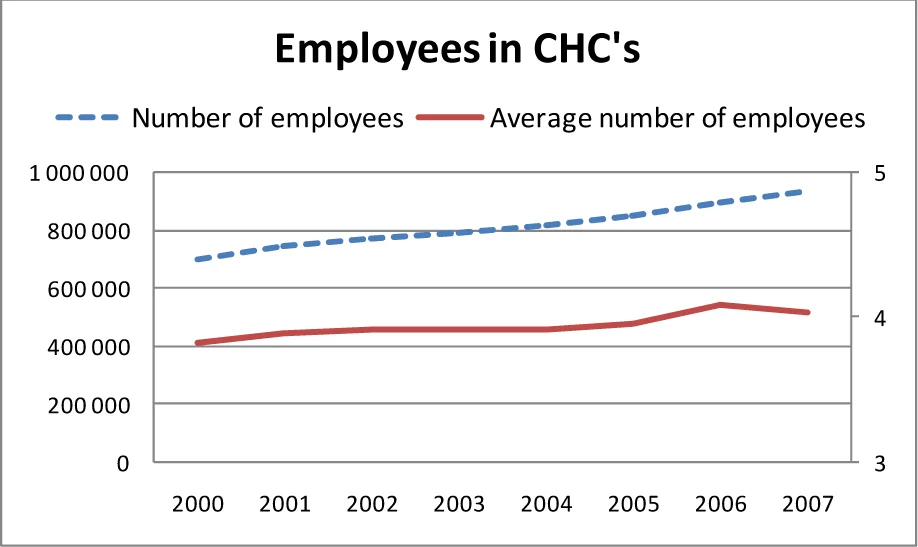
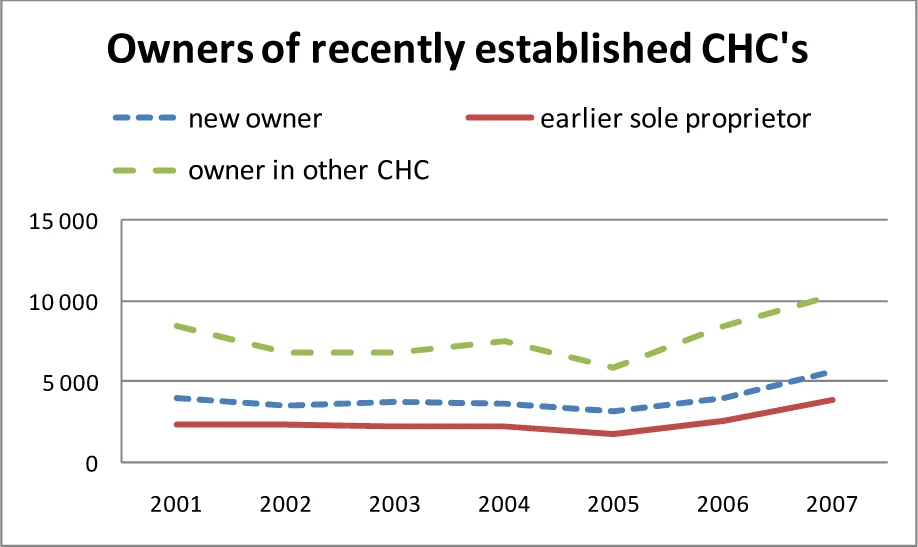
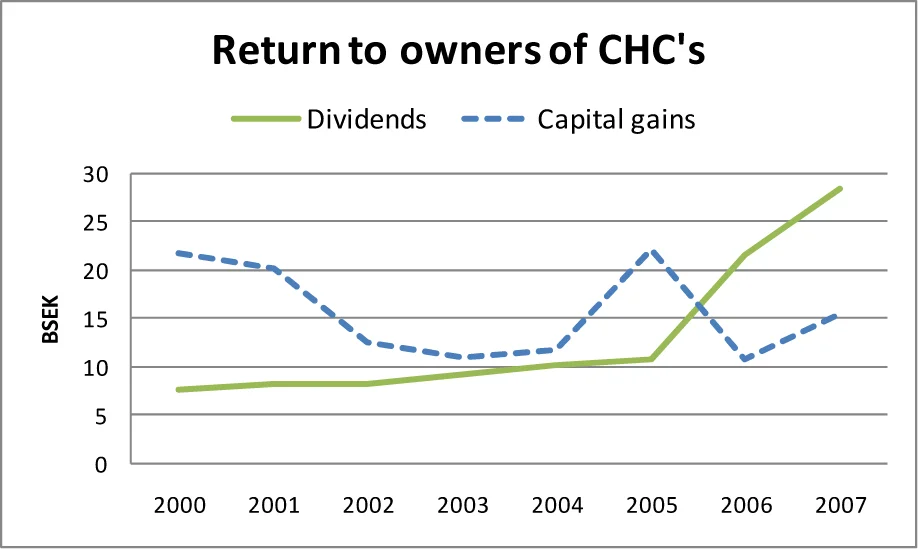
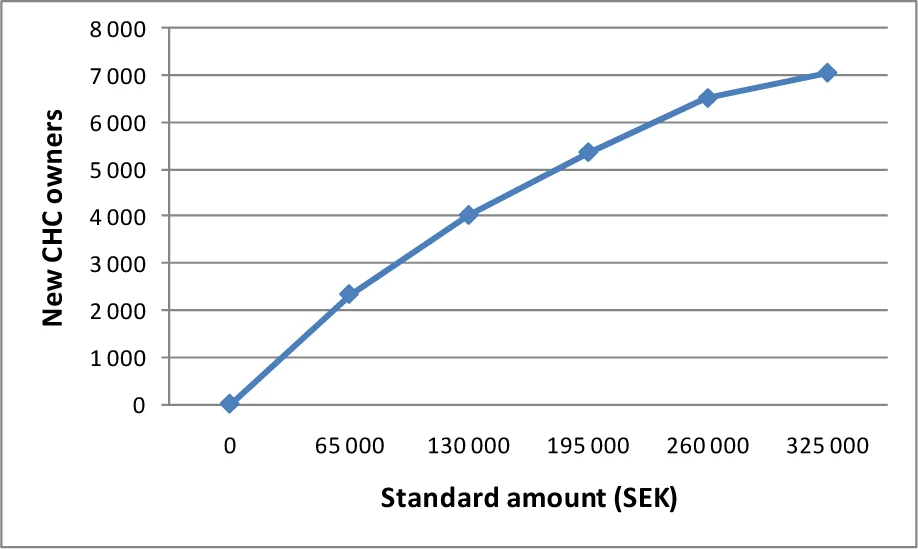
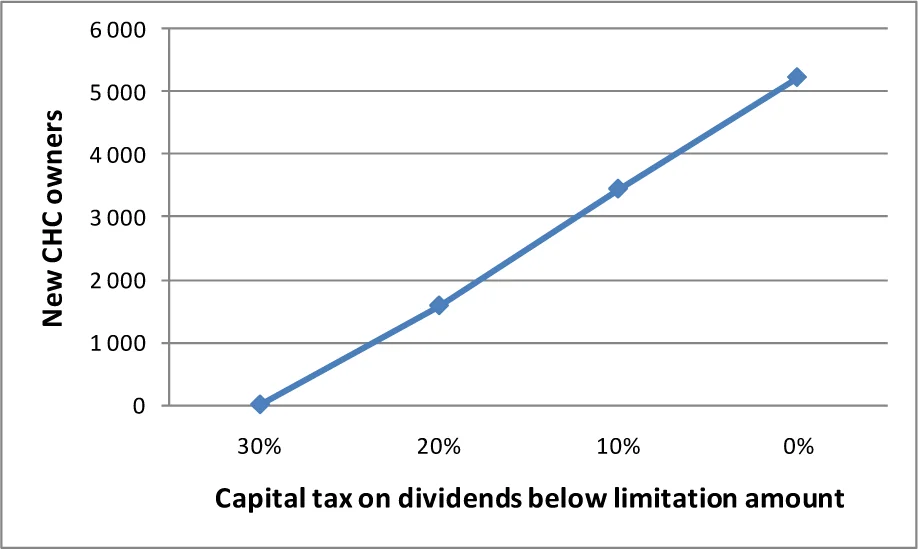
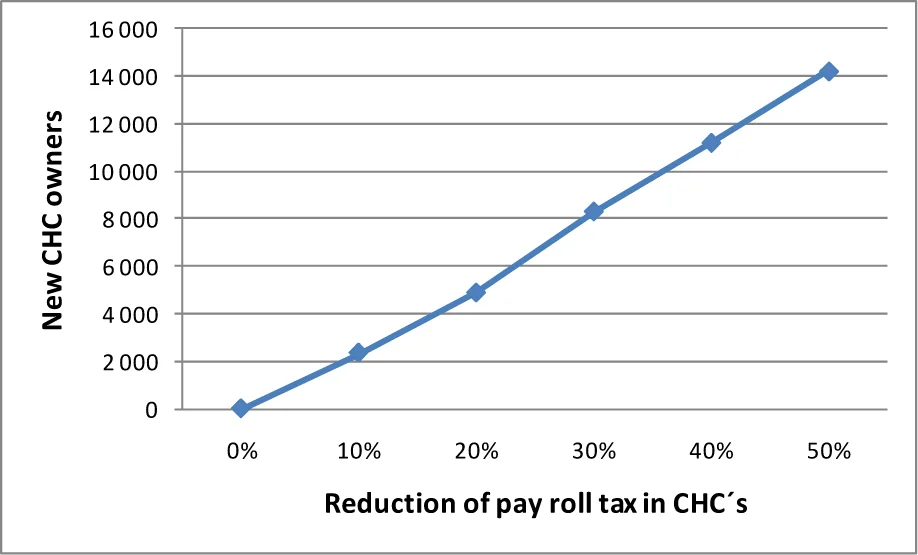
Figure 1. Schematic illustration of old and new rules in Sweden Marginal tax rate.Figure 2. Solvency margin and liquidity in CHC’s and WHC’s.Figure 3. Profitability in CHC’s and WHC’s.Figure 4. Average interest on debt.Figure 5. Establishments and disappearances.Figure 6. Employees.Figure 7. Owners background.Figure 8. Dividends and capital gains.Figure 9. Increasing standard amount and number of new CHC owners.Figure 10. Decreasing capital tax and number of new CHC owners.Figure 11. Reduction of pay roll tax and number of new CHC owners.
Tables
Table 1. Average tax _ rates and size of alternative forms of organisations in SWEDEN 2005.