
This article contains 8 figures and 1 table.
Figures
Tables
| Panel / Outcome | 95% confidence interval | ||||
|---|---|---|---|---|---|
| Scenario | Estimate | Standard-error | Lower bound | Upper bound | |
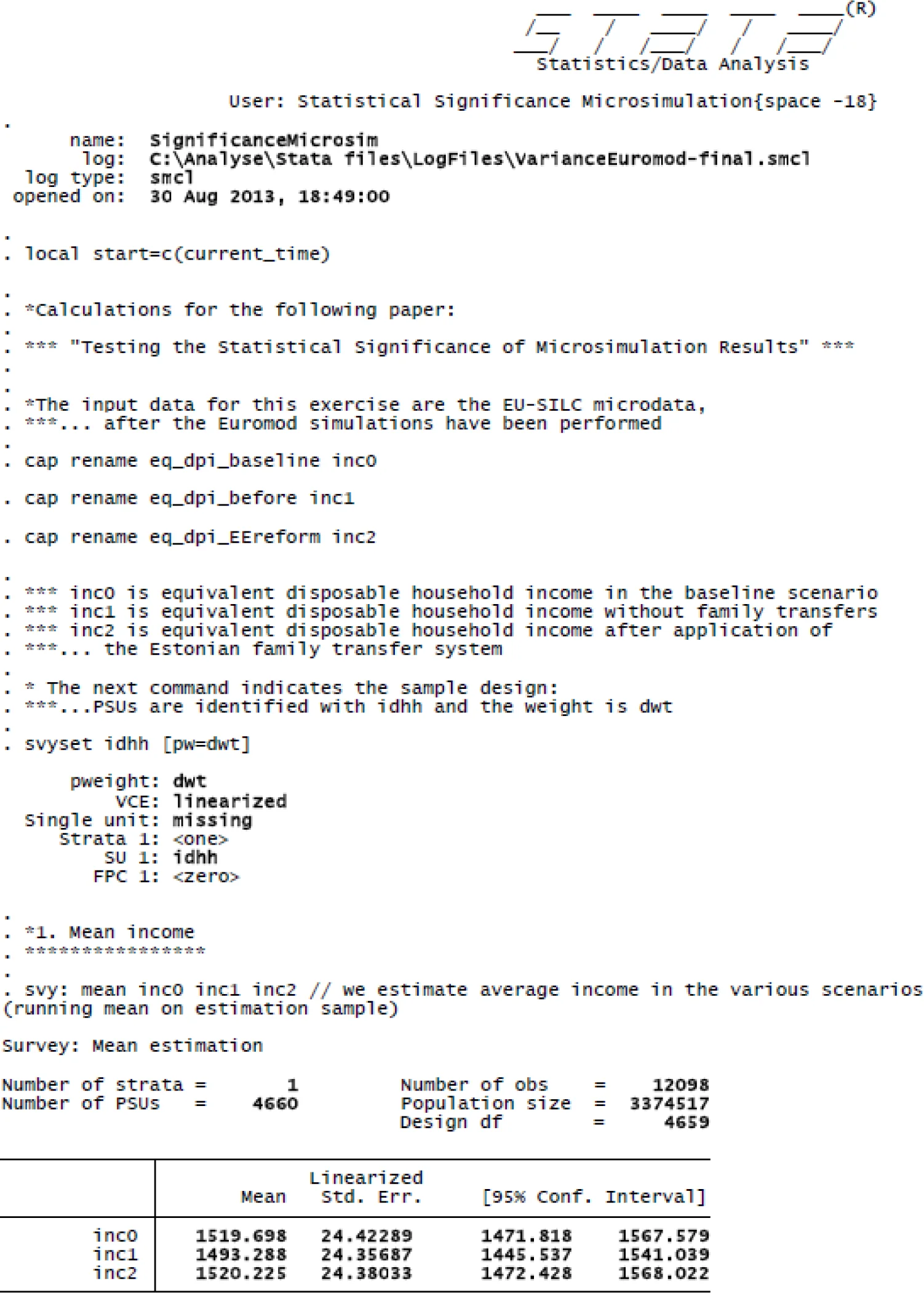
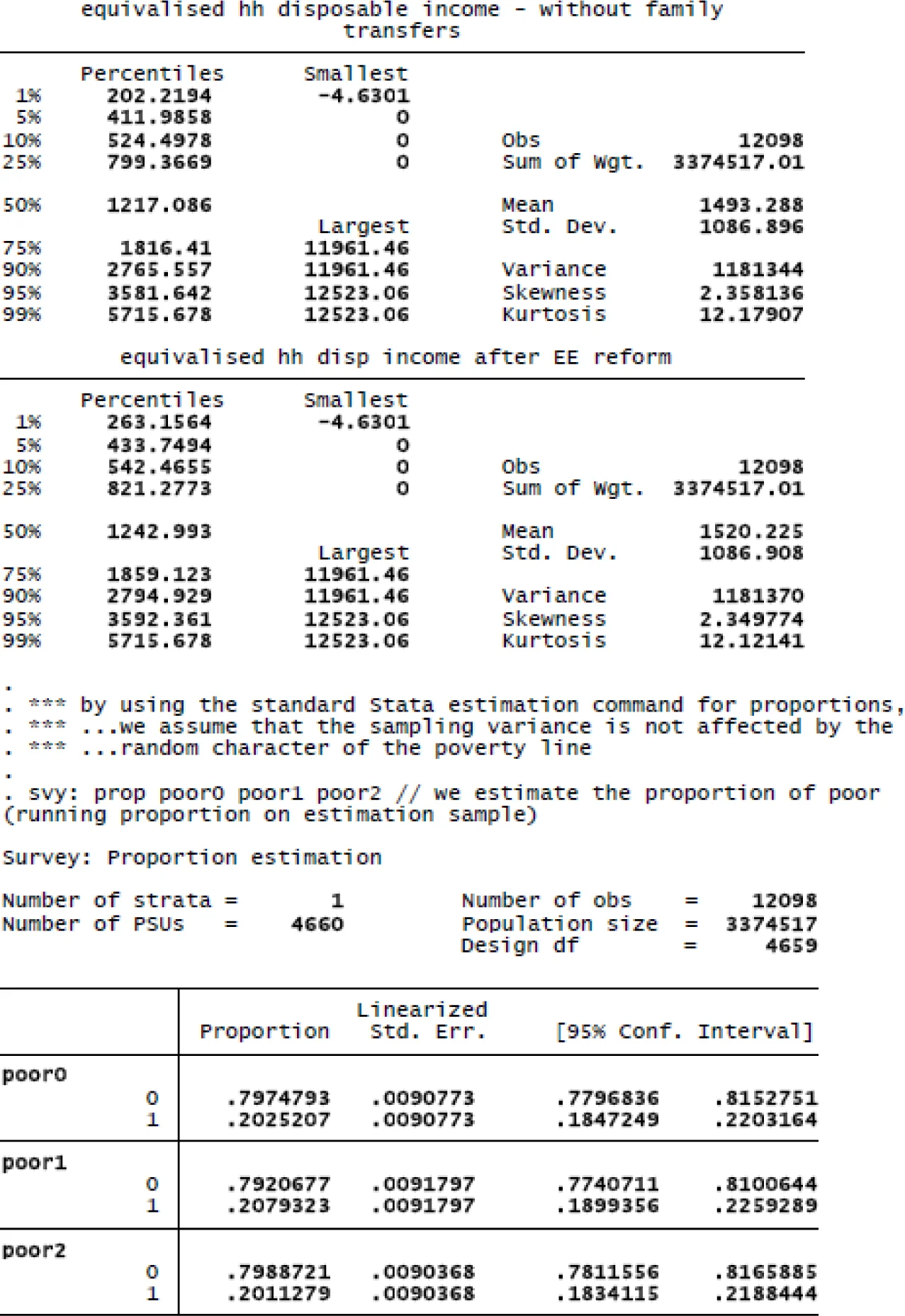
| (A) Mean equivalent income | Baseline (1) | 1,519.70 | 24.42 | 1,471.82 | 1,567.58 |
| Without family transfers (2) | 1,493.29 | 24.36 | 1,445.54 | 1,541.04 | |
| Estonian family transfers (3) | 1,520.23 | 24.38 | 1,472.43 | 1,568.02 | |
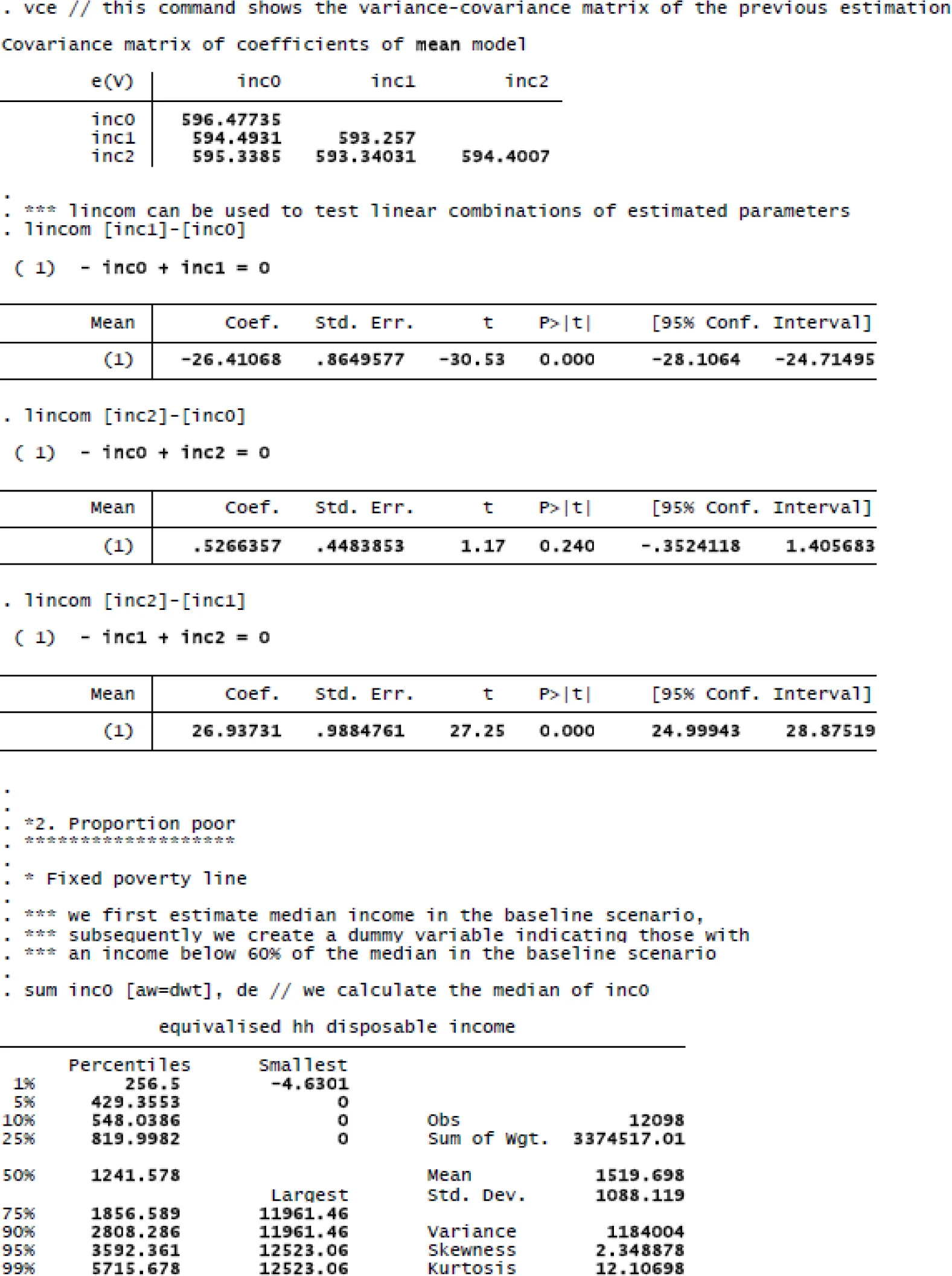
| Difference (2)–(1) | −26.41 | 0.86 | −28.11 | −24.71 | |
| Difference (3)–(1) | 0.53 | 0.45 | −0.35 | 1.41 | |
| Difference (3)–(2) | 26.94 | 0.99 | 25.00 | 28.88 | |
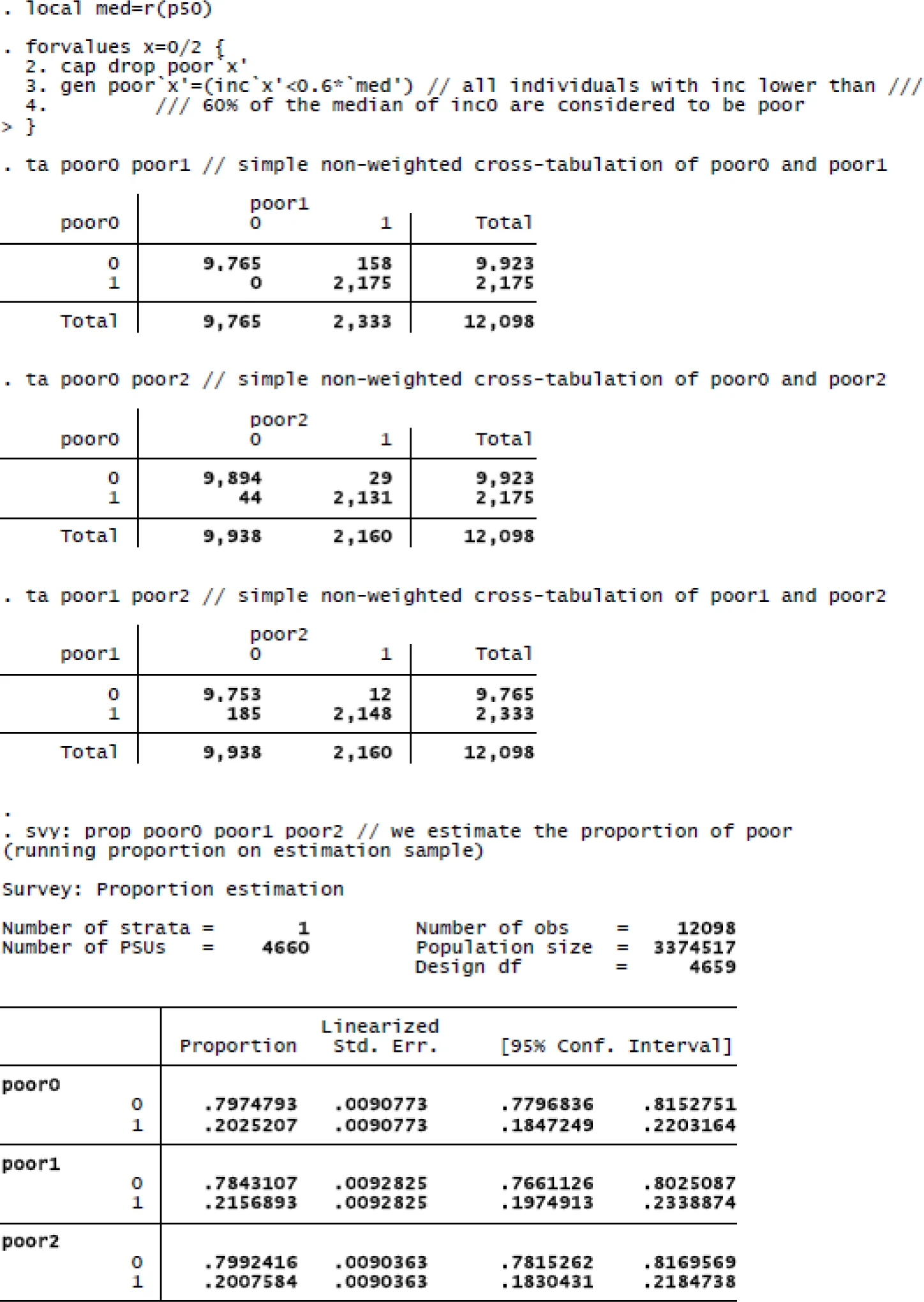
| (B) Percentage poor (fixed poverty line) | Baseline (1) | 20.25 | 0.91 | 18.47 | 22.03 |
| Without family transfers (2) | 21.57 | 0.93 | 19.75 | 23.39 | |
| Estonian family transfers (3) | 20.08 | 0.90 | 18.30 | 21.85 | |
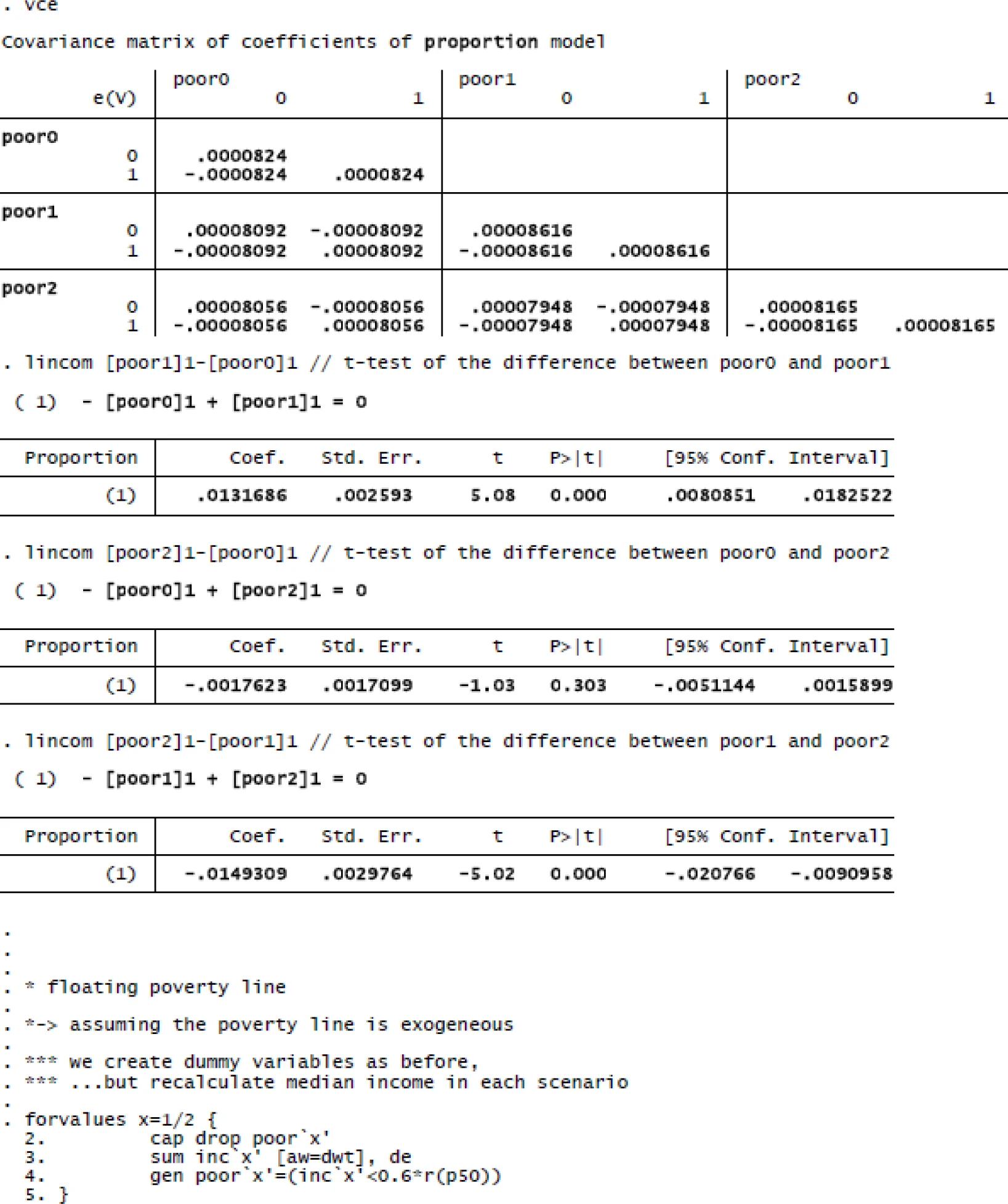
| Difference (2)–(1) | 1.32 | 0.26 | 0.81 | 1.83 | |
| Difference (3)–(1) | −0.18 | 0.17 | −0.51 | 0.16 | |
| Difference (3)–(2) | −1.49 | 0.30 | −2.08 | −0.91 | |
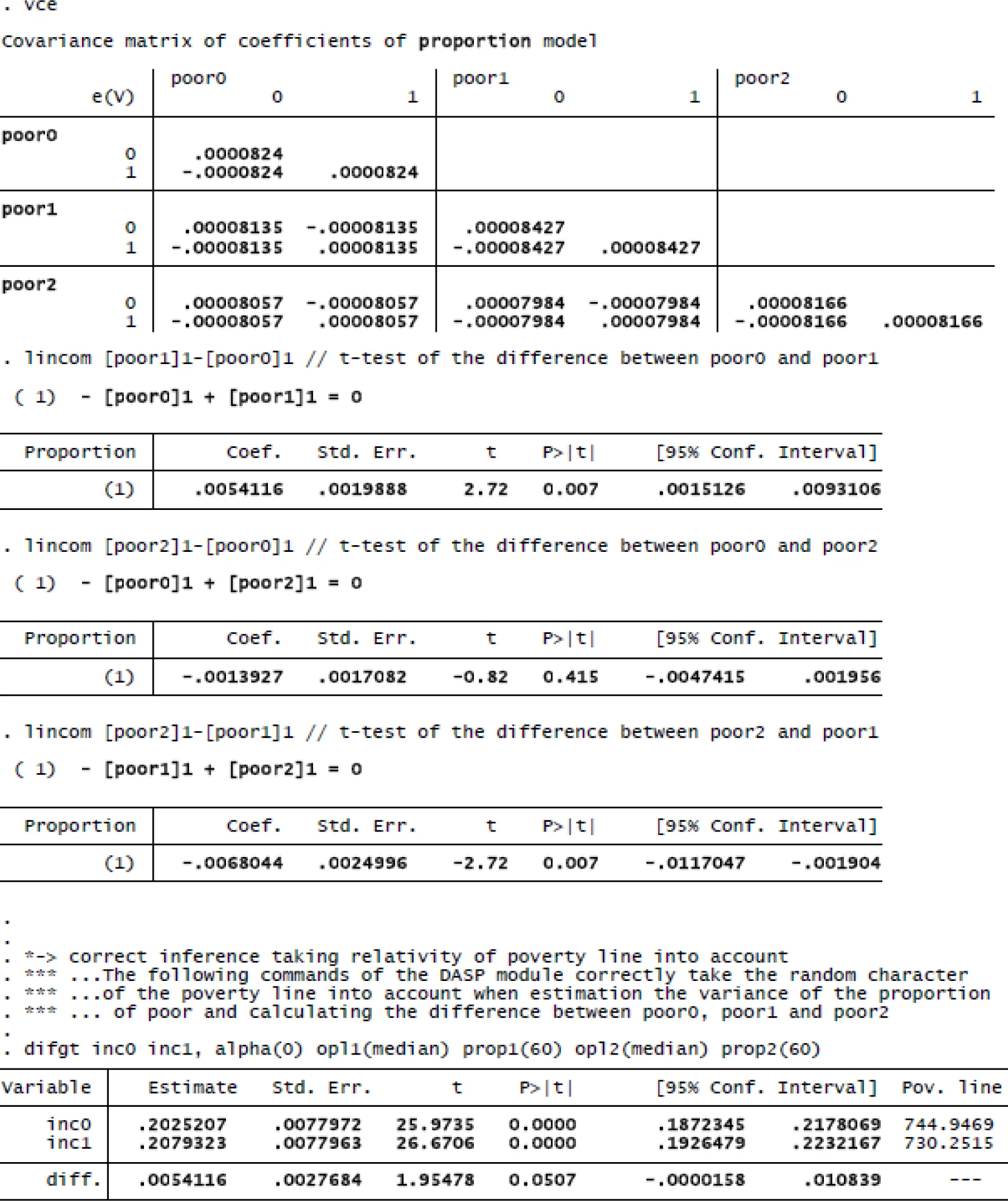
| (C) Percentage poor (floating poverty line) | Baseline (1) | 20.25 | 0.78 | 18.72 | 21.78 |
| Without family transfers (2) | 20.79 | 0.78 | 19.26 | 22.32 | |
| Estonian family transfers (3) | 20.11 | 0.78 | 18.59 | 21.64 | |
| Difference (2)–(1) | 0.54 | 0.28 | −0.00 | 1.08 | |
| Difference (3)–(1) | −0.14 | 0.18 | −0.50 | 0.22 | |
| Difference (3)–(2) | −0.68 | 0.32 | −1.30 | −0.06 | |
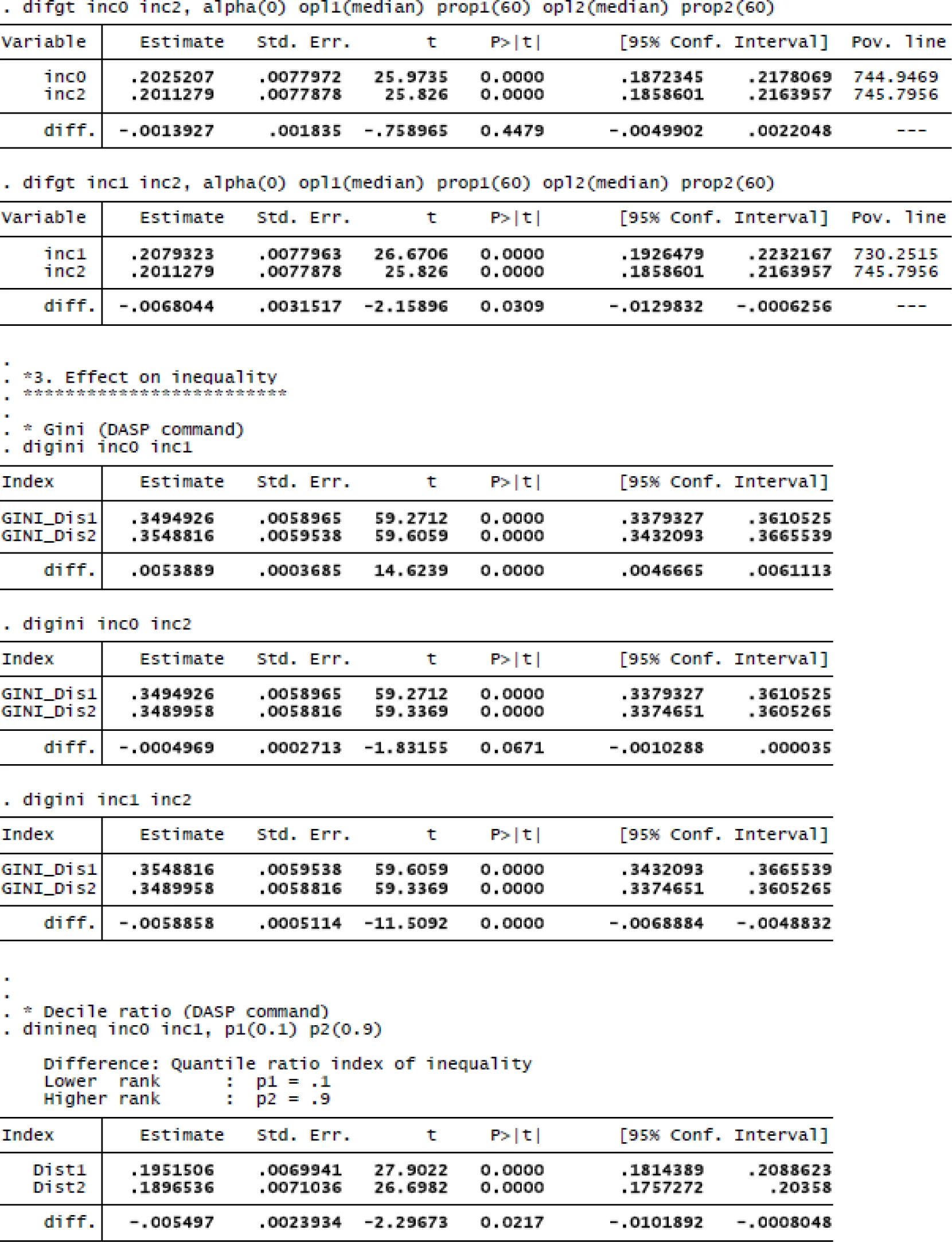
| (D) Gini coefficient | Baseline (1) | 34.95 | 0.59 | 33.79 | 36.11 |
| Without family transfers (2) | 35.49 | 0.60 | 34.32 | 36.66 | |
| Estonian family transfers (3) | 34.90 | 0.59 | 33.75 | 36.05 | |
| Difference (2)–(1) | 0.54 | 0.04 | 0.47 | 0.61 | |
| Difference (3)–(1) | −0.05 | 0.03 | −0.10 | 0.00 | |
| Difference (3)–(2) | −0.59 | 0.05 | −0.69 | −0.49 | |
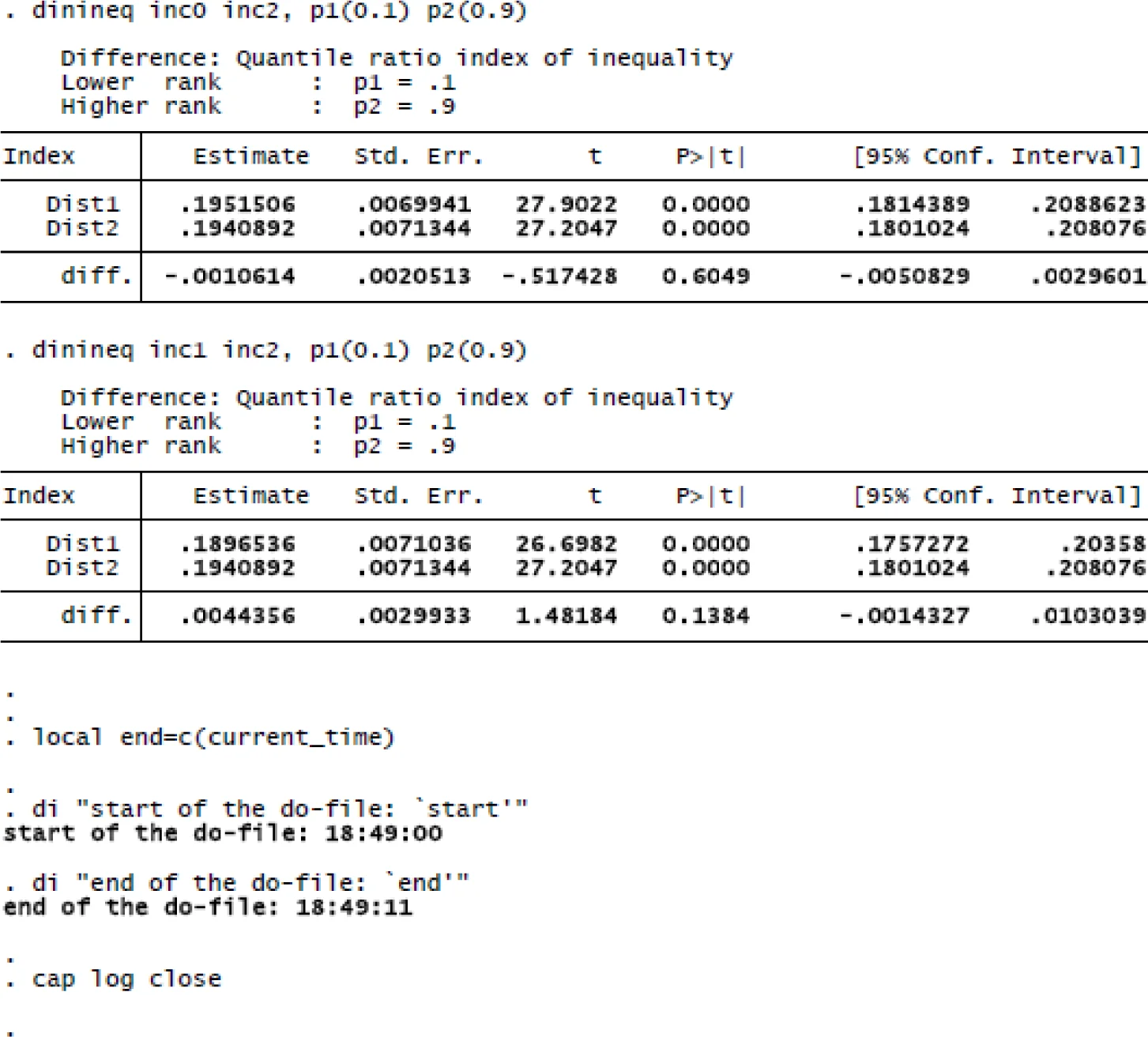
| (E) Decile ratio | Baseline (1) | 19.52 | 0.70 | 18.14 | 20.89 |
| Without family transfers (2) | 18.97 | 0.71 | 17.57 | 20.36 | |
| Estonian family transfers (3) | 19.41 | 0.71 | 18.01 | 20.81 | |
| Difference (2)–(1) | −0.55 | 0.24 | −1.02 | −0.08 | |
| Difference (3)–(1) | −0.11 | 0.21 | −0.51 | 0.30 | |
| Difference (3)–(2) | 0.44 | 0.30 | −0.14 | 1.03 | |
Notes: The poverty line is calculated as 60 per cent of the median equivalent disposable household income. In the case of a fixed poverty line, the poverty line is kept constant for incomes with and without family transfers. In the case of a floating poverty line, the poverty line is equal to 60 per cent of the median equivalent disposable household income, with the median income recalculated in every reform scenario.
Source: EU-SILC 2006 UDB, EUROMOD, own calculations. Results in panels A and B are calculated with standard Stata commands, those in panels C, D and E with the DASP module. See the Appendix for details.