Cite as: C. O’Donoghue; 2025; Dynamic Microsimulation Modelling: A Survey and Critical Assessment IV; International Journal of Microsimulation; 18(1); 56–83. doi: 10.34196/ijm.00316
Abstract
The sub-field of dynamic microsimulation modelling, the inter-temporal simulation of micro units over time, was one of the original areas of microsimulation. A number of surveys have documented progress in the field at approximately 7 year intervals over time. Reviewing developments over the decade 2013-2023, we find that progress in the field is accelerating, as nearly half the papers published in the field have been published since the last survey article. It is timely therefore to provide a more recent survey and critical assessment of the direction of the field. This paper reviews the evolution of dominant methodological choices. However given the increased scale of the sub-field, we make use of bibliometric tools to assist in the analysis of the field. There has been a clear change in direction over the past 8 years. Previous research could be classified in two clusters, largely divided into closed, aligned, discrete time and open, non-aligned continuous time frameworks, both with family units of analysis. However, the dominant current direction in the field has been the introduction of more parsimonious model particularly in the health sphere. These papers typically use an individual unit of analysis, are non-aligned and have simpler behavioural and simulation structures, with a greater focus on the particular health policy application.
This article contains 11 figures and 2 tables.
Figures
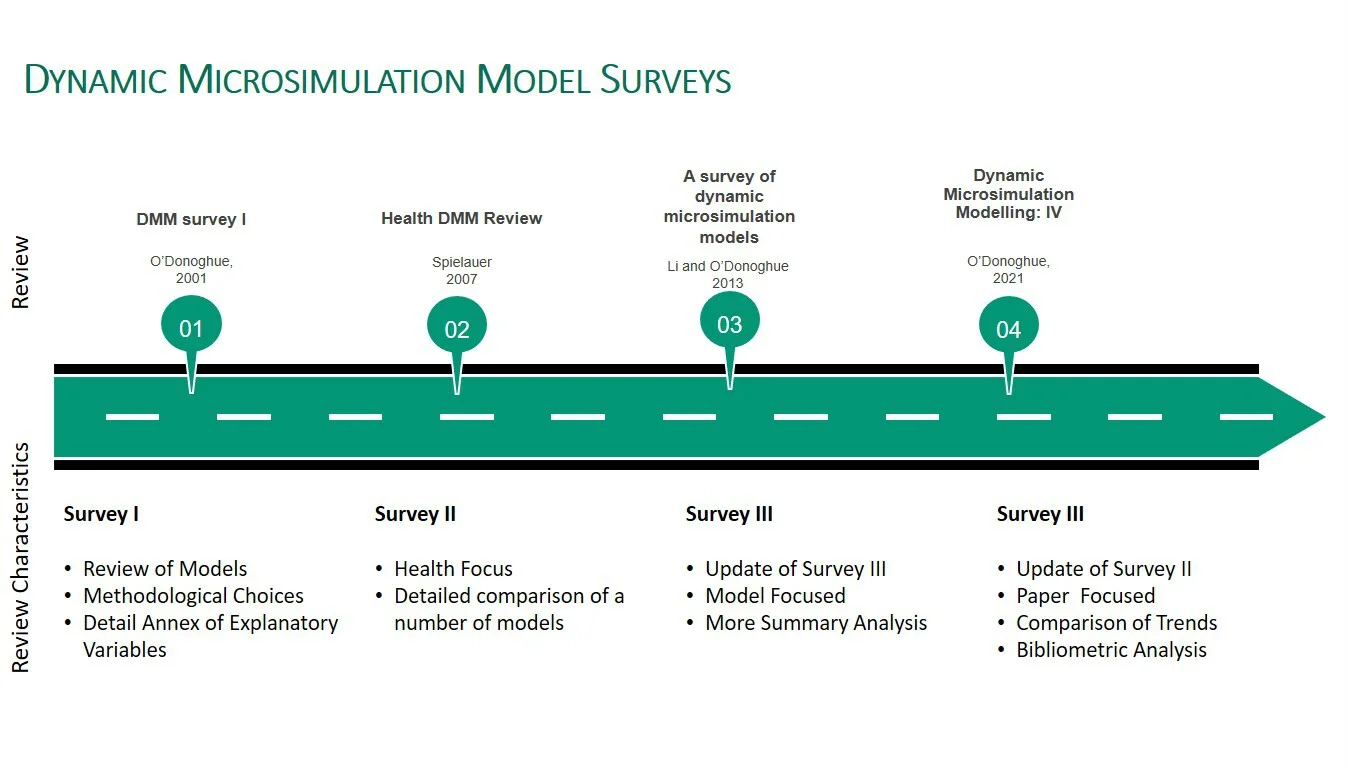
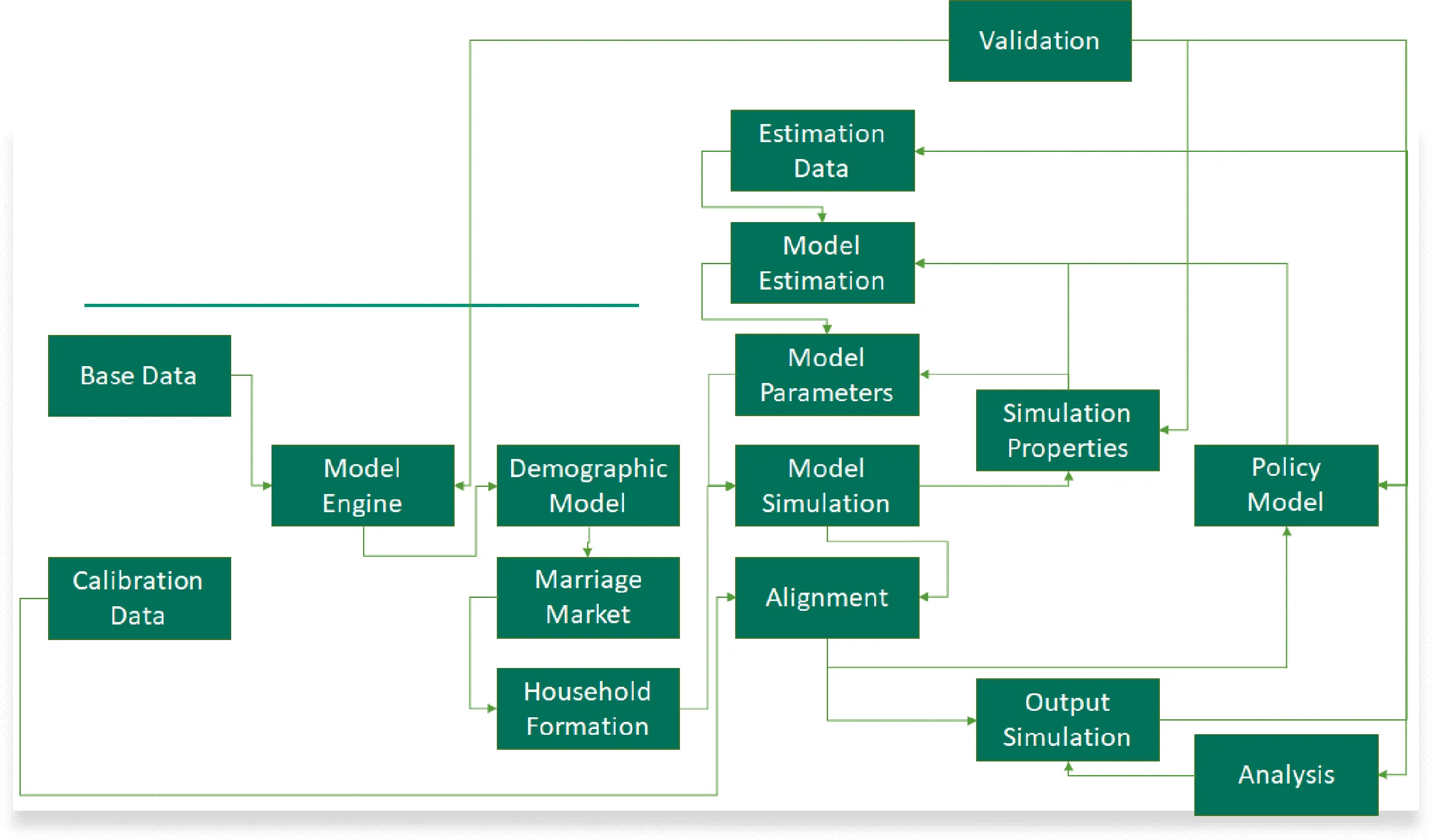
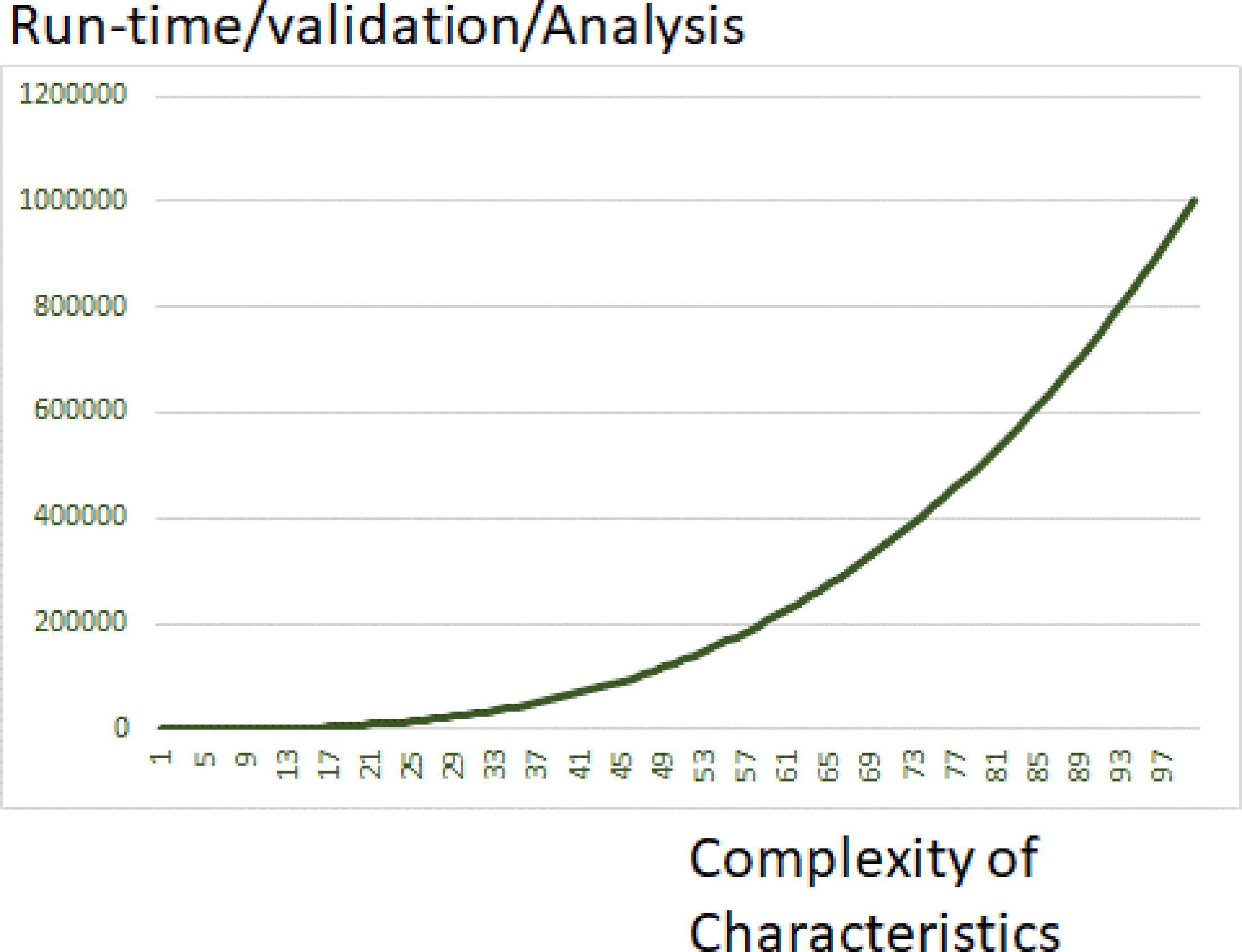
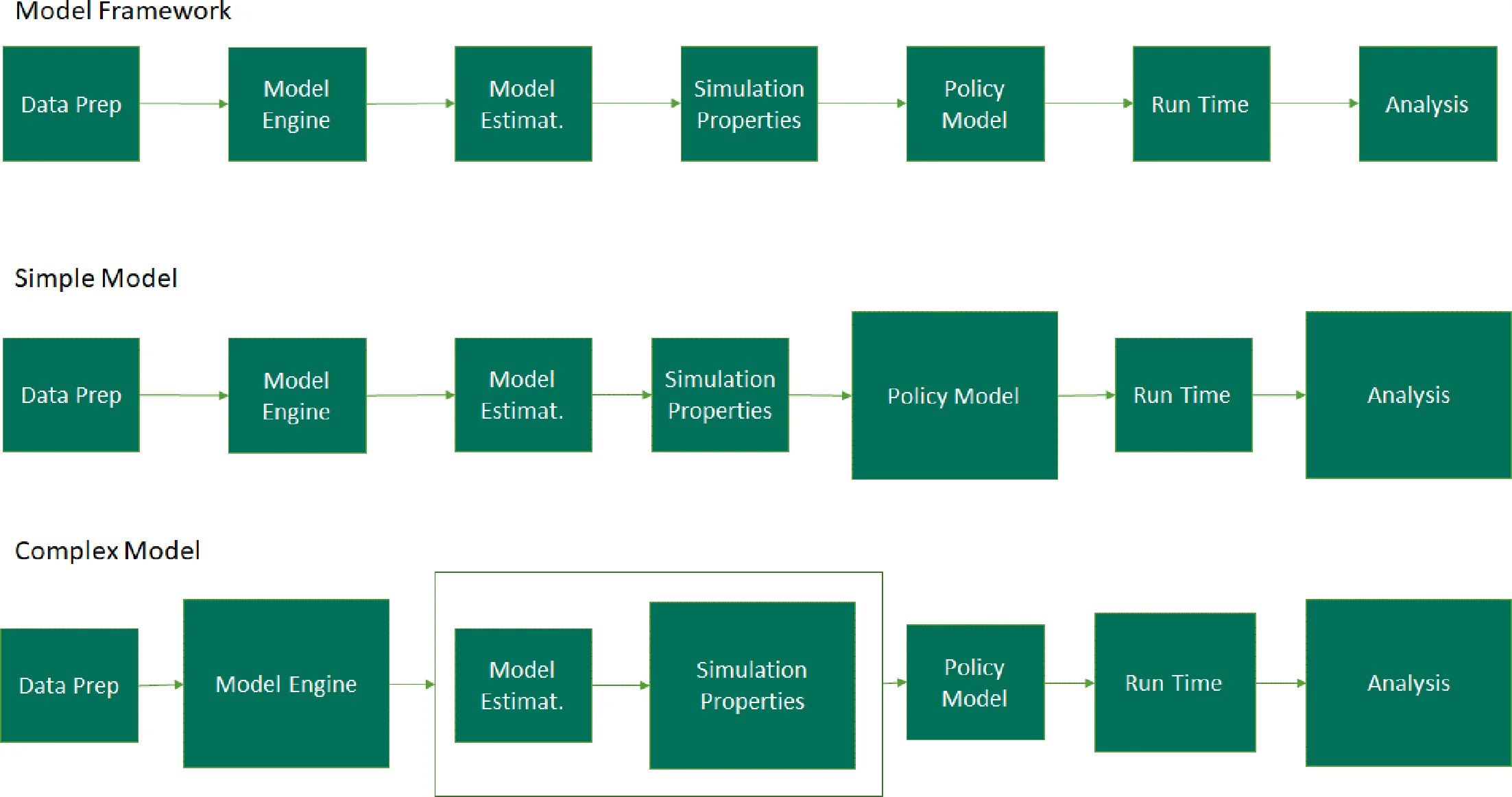
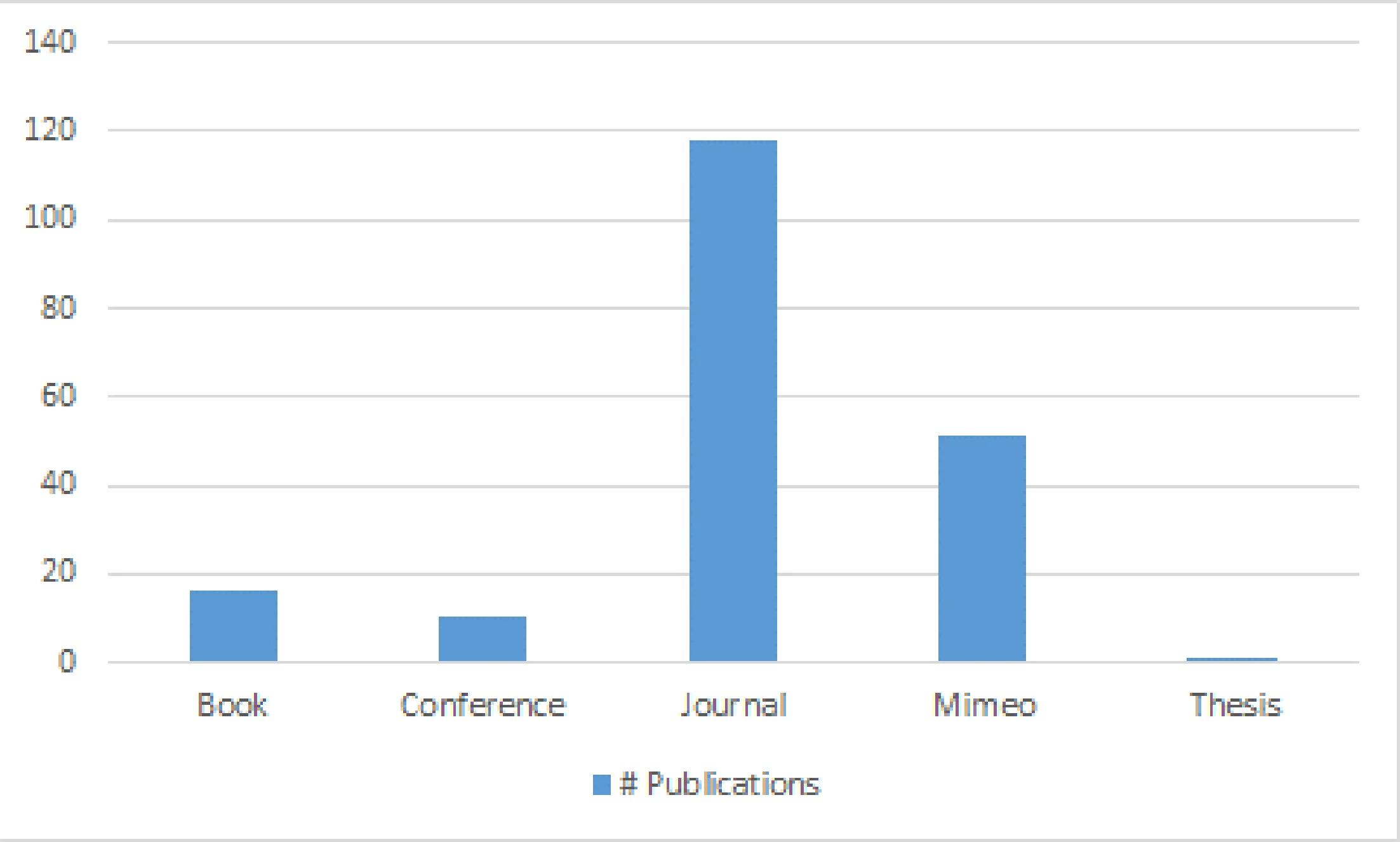
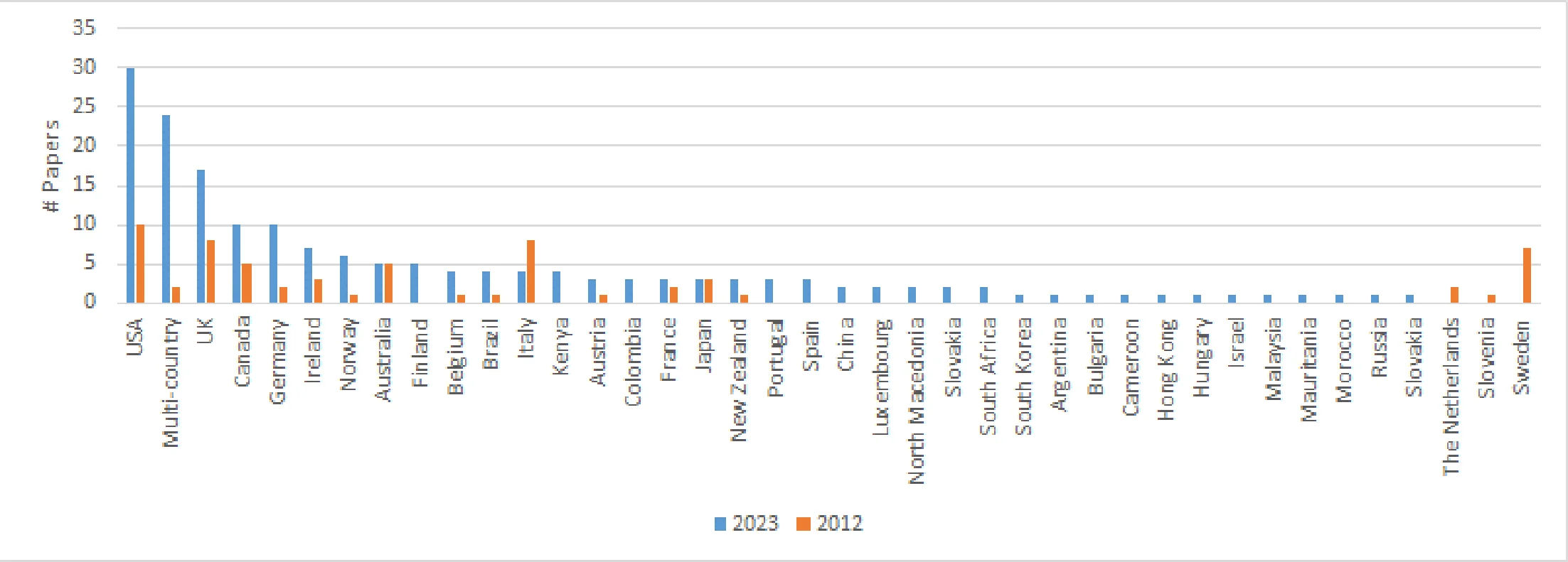
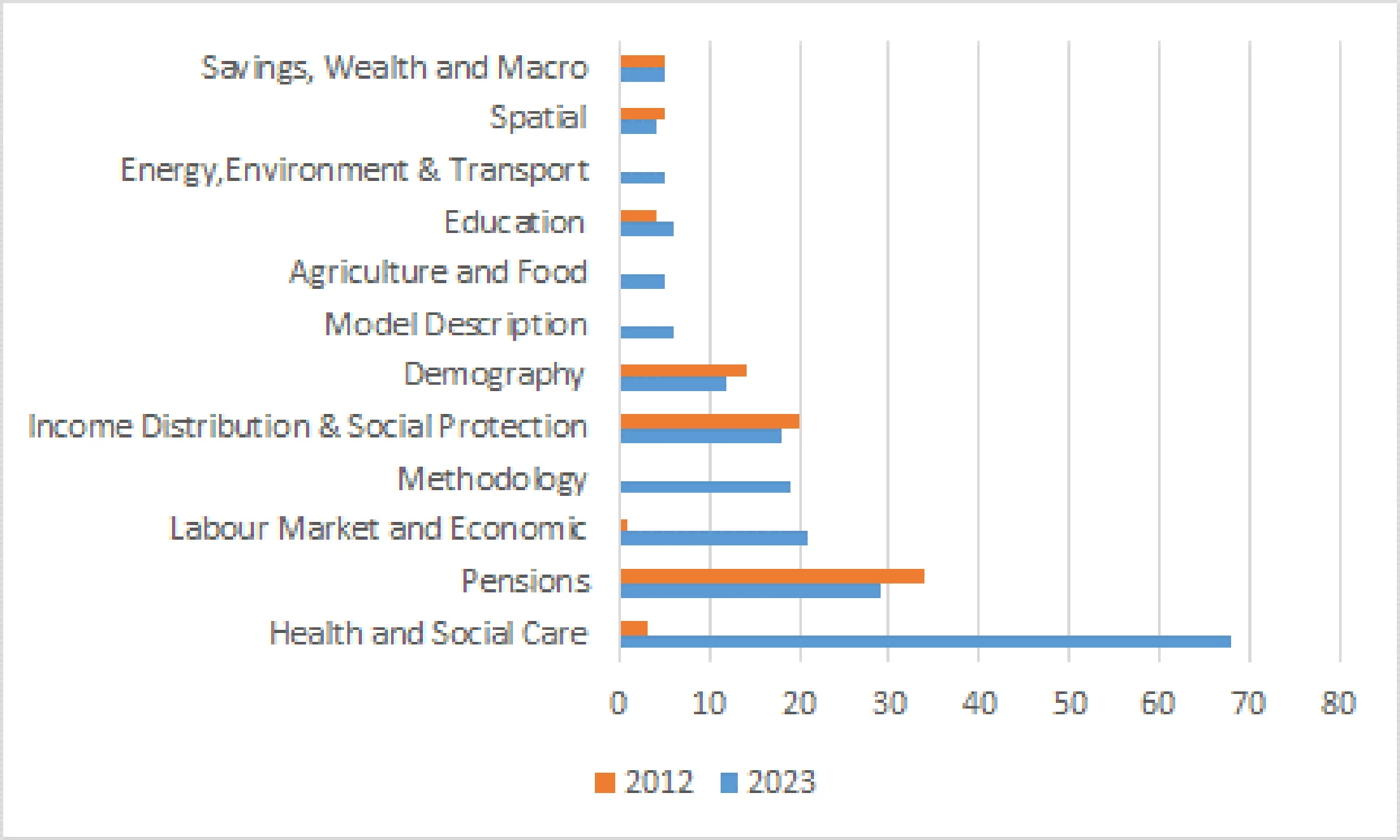
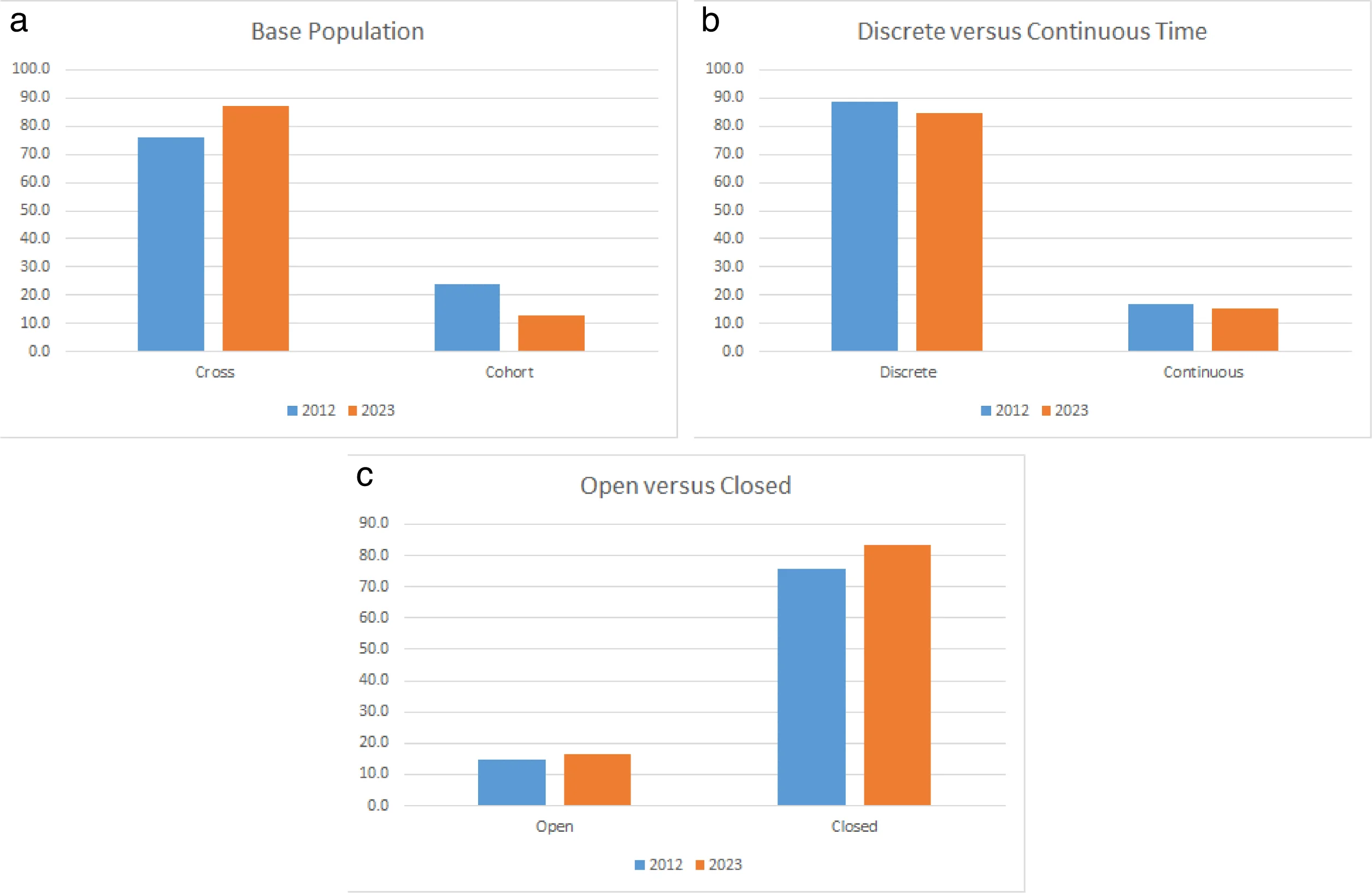
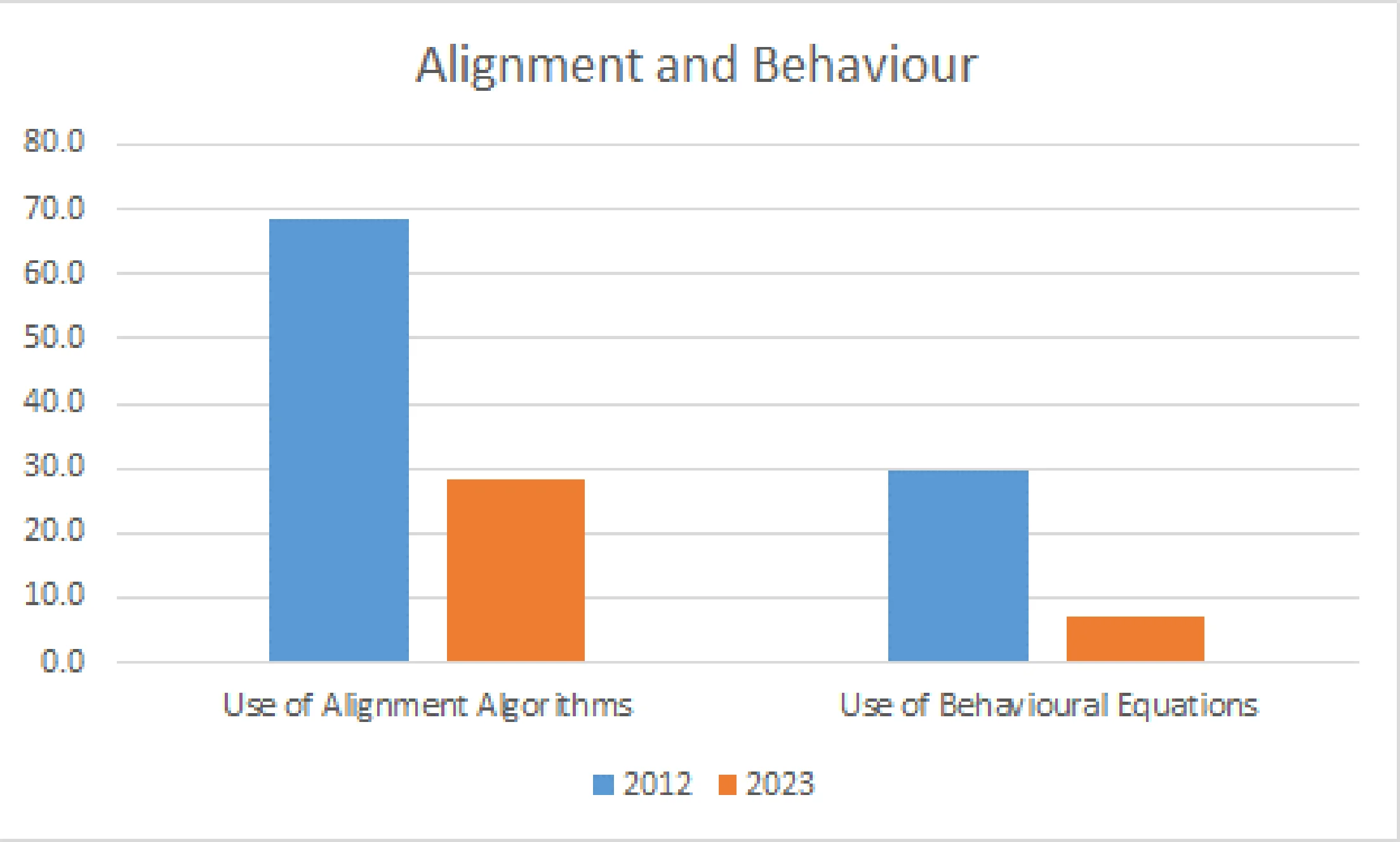
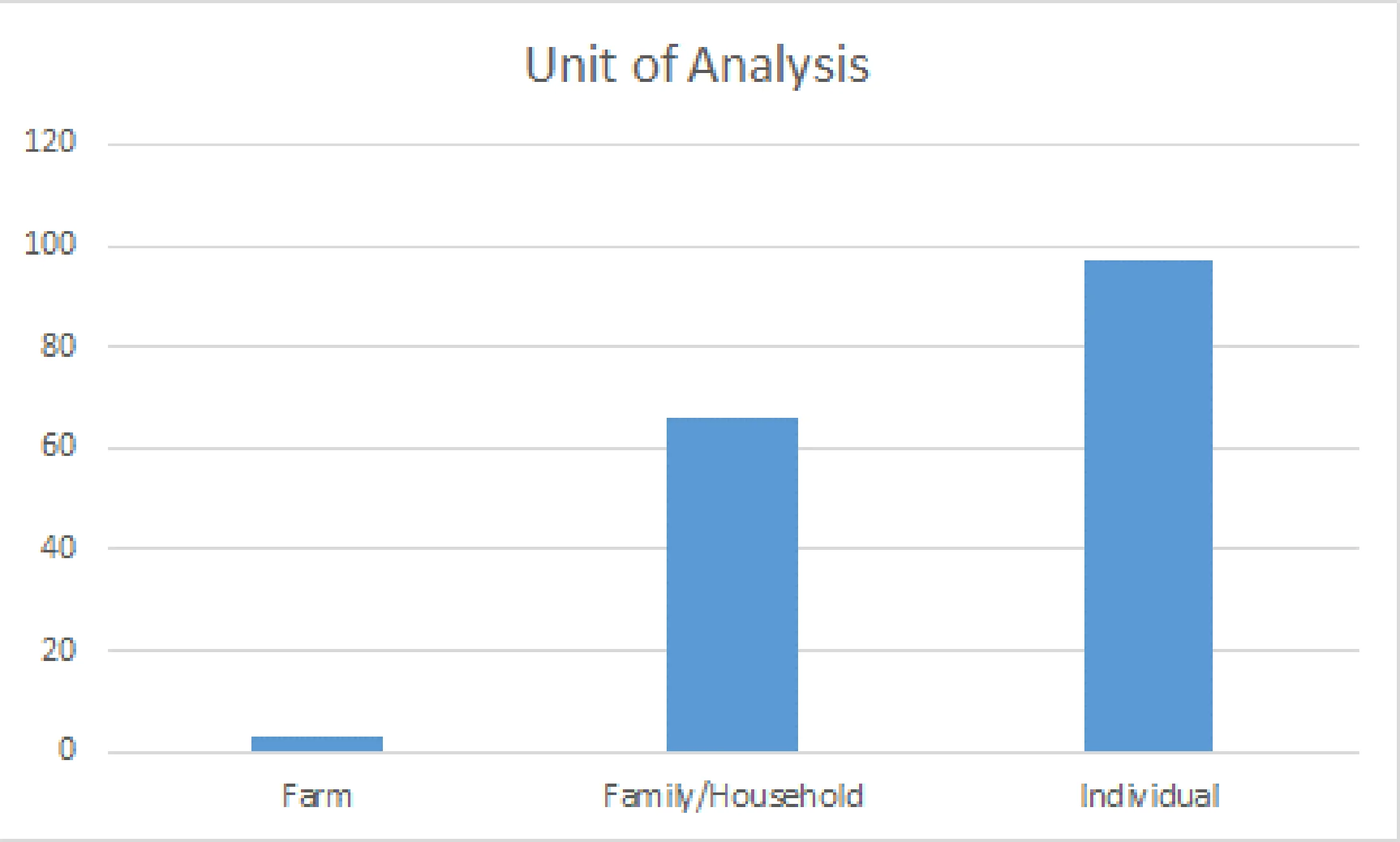
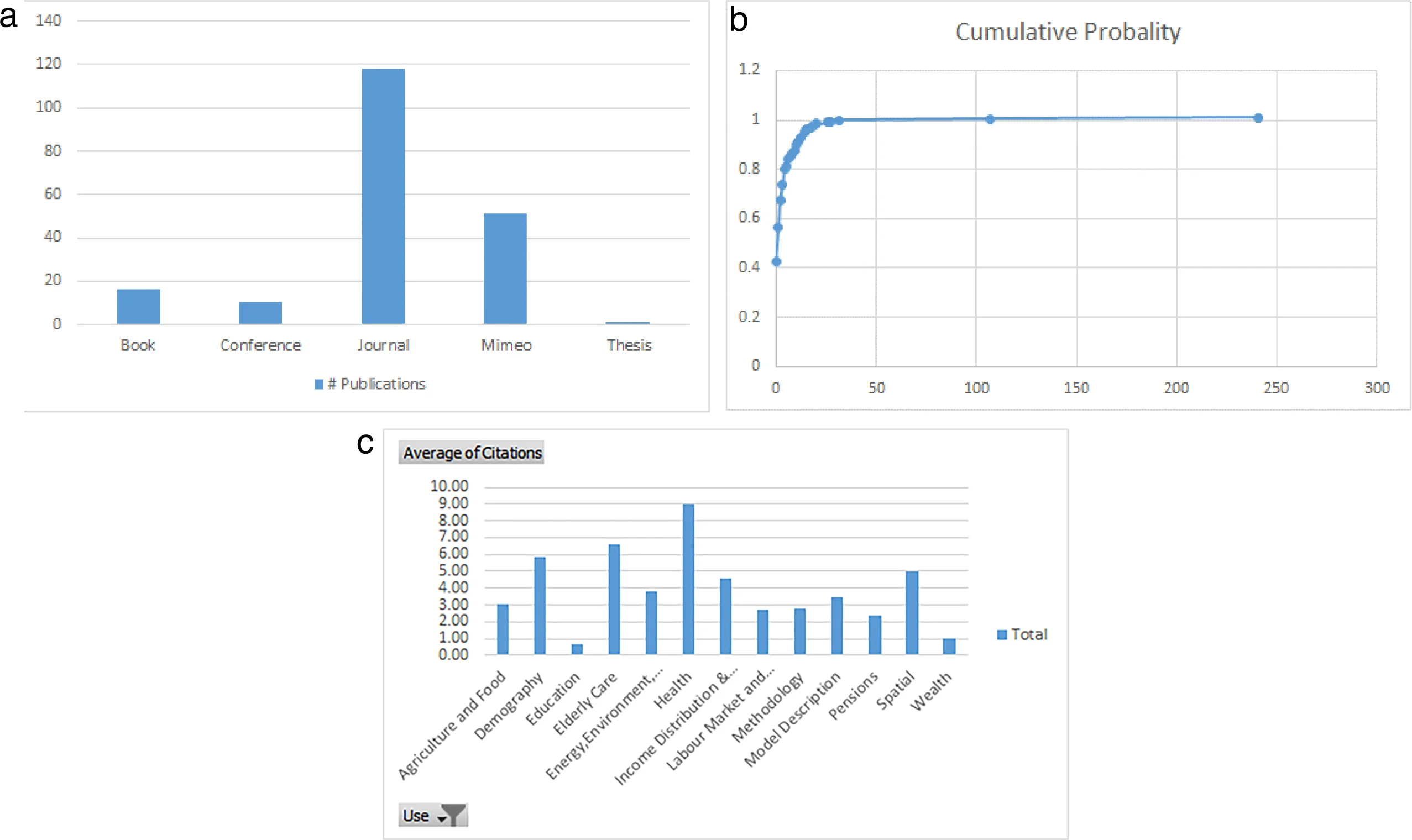
Figure 1. Dynamic microsimulation surveys.Figure 2. Components of a traditional, maximal, dynamic microsimulation model.Figure 3. Non-linear relationship between complexity and development & run-time.Figure 4. Model complexity and modelling time.Figure 5. Number of publications.Figure 6. Geographical spread of dynamic microsimulation models.Figure 7. Subject areas of dynamic microsimulation models.Figure 8. Methodological choices in dynamic microsimulation models.Figure 9. Alignment and behaviour.Figure 10. Unit of analysis.Figure 11. Citations analysis.
Tables
Table 1. Citation score from google search for dynamic microsimulation.
Period
Citations
2022-2023
380
2017-2021
900
2013-2016
718
2008-2012
761
2003-2007
514
1998-2002
319
1993-1997
146
1988-1992
30
1983-1987
8
1978-1982
4
1973-1977
1
Table 2. Tabulation of average citation rate decomposed by journal.