Health

Research articles · Apr 20, 2026

Bridging Affordability, Nutrition, and Sustainability: A Systematic Review of Microsimulation Approaches in Food Security Research

Ghassan Al-Masbhi, Cathal O’Donoghue, Denisa M Sologon

University of Galway, Galway, Ireland; Luxembourg Institute of Socio-Economic Research, Esch-sur-Alzette, Luxembourg

Volume 19(1) Spring 2026

Cite as: G. Al-Masbhi, C. O’Donoghue, D. Sologon; 2026; Bridging Affordability, Nutrition, and Sustainability: A Systematic Review of Microsimulation Approaches in Food Security Research; International Journal of Microsimulation; 19(1); 33–59. doi: 10.34196/ijm.00334

Abstract

This review explores the role of microsimulation modelling in addressing the multidimensional nature of food security, focusing on affordability, nutrition, and environmental sustainability. Using a hybrid approach that combines qualitative textual synthesis with bibliometric analysis, the study offers both depth and breadth in reviewing current literature. Findings reveal that while affordability and nutrition are frequently examined, environmental aspects remain notably underrepresented in microsimulation-based food security analyses. This gap limits the development of integrated policy responses that address both human and planetary health. The review underscores the need for more interdisciplinary, systems-based modelling approaches that align with global sustainability goals. Bridging these methodological and thematic gaps is important for designing effective, equitable, and environmentally responsible food policies.

This article contains 8 figures and 4 tables.

Figures

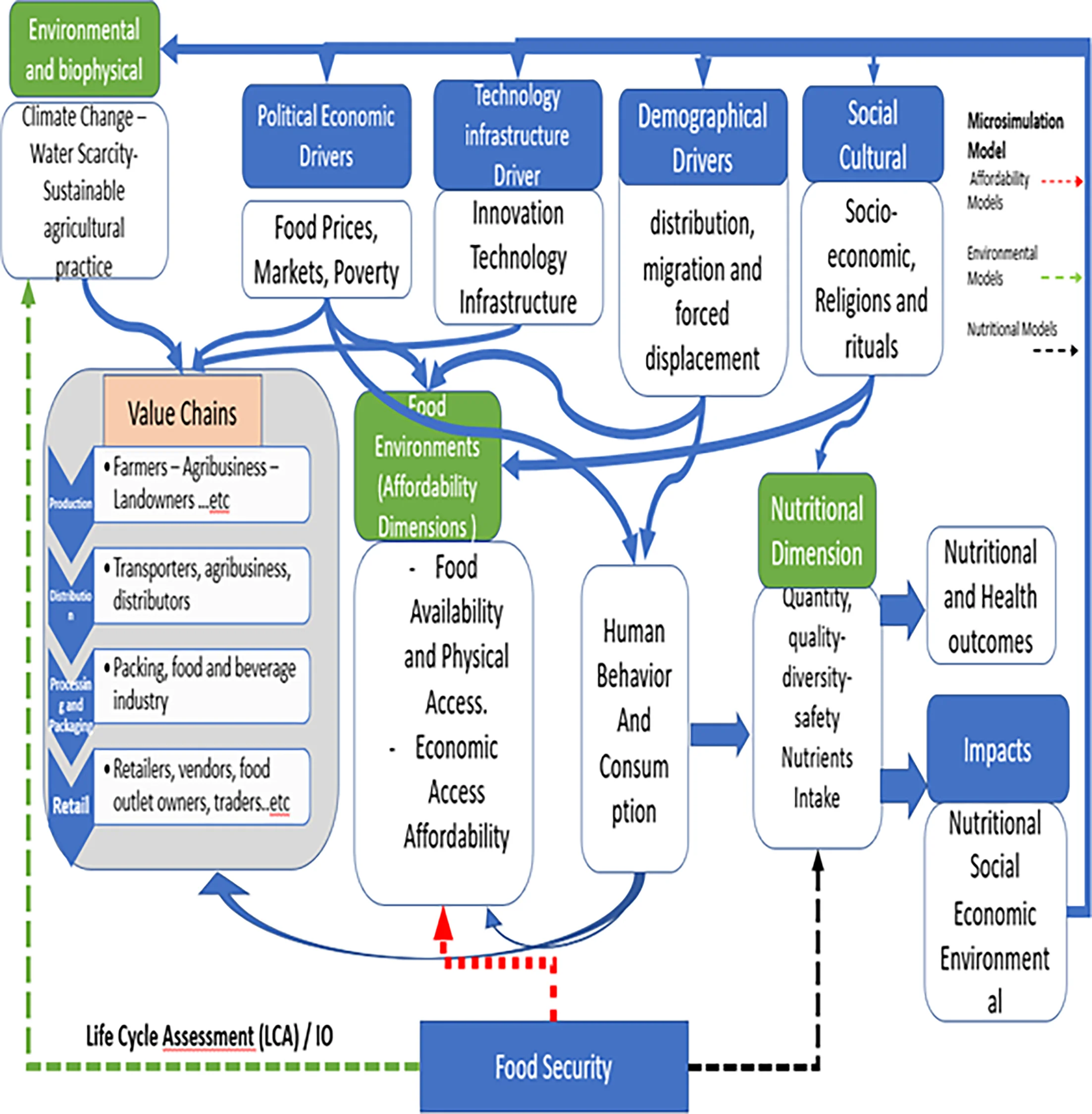
Figure 1. Theoretical framework for examining food security using a value chain and microsimulation modelling approach.
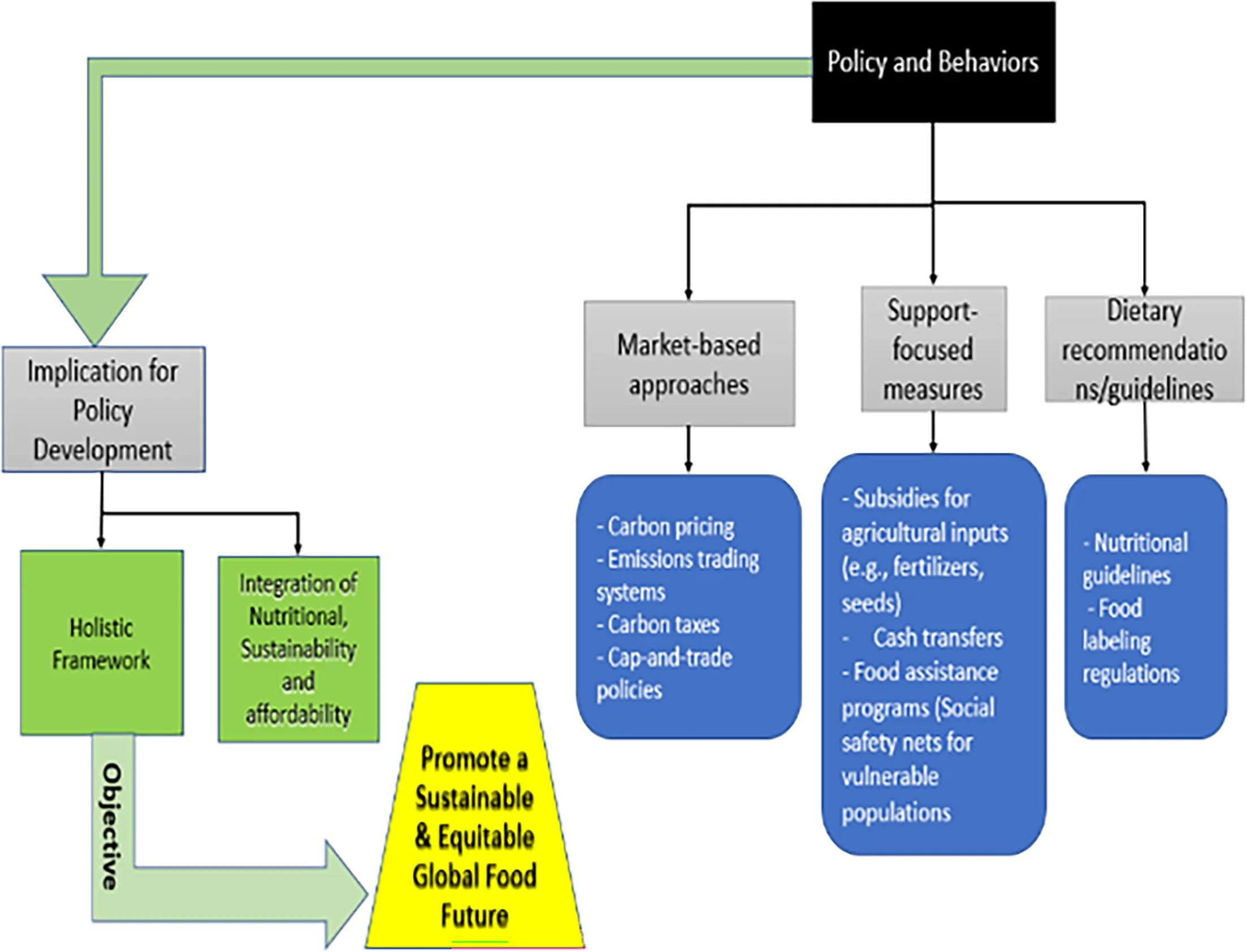
Figure 2. Framework for integrated policy analysis using microsimulation models.
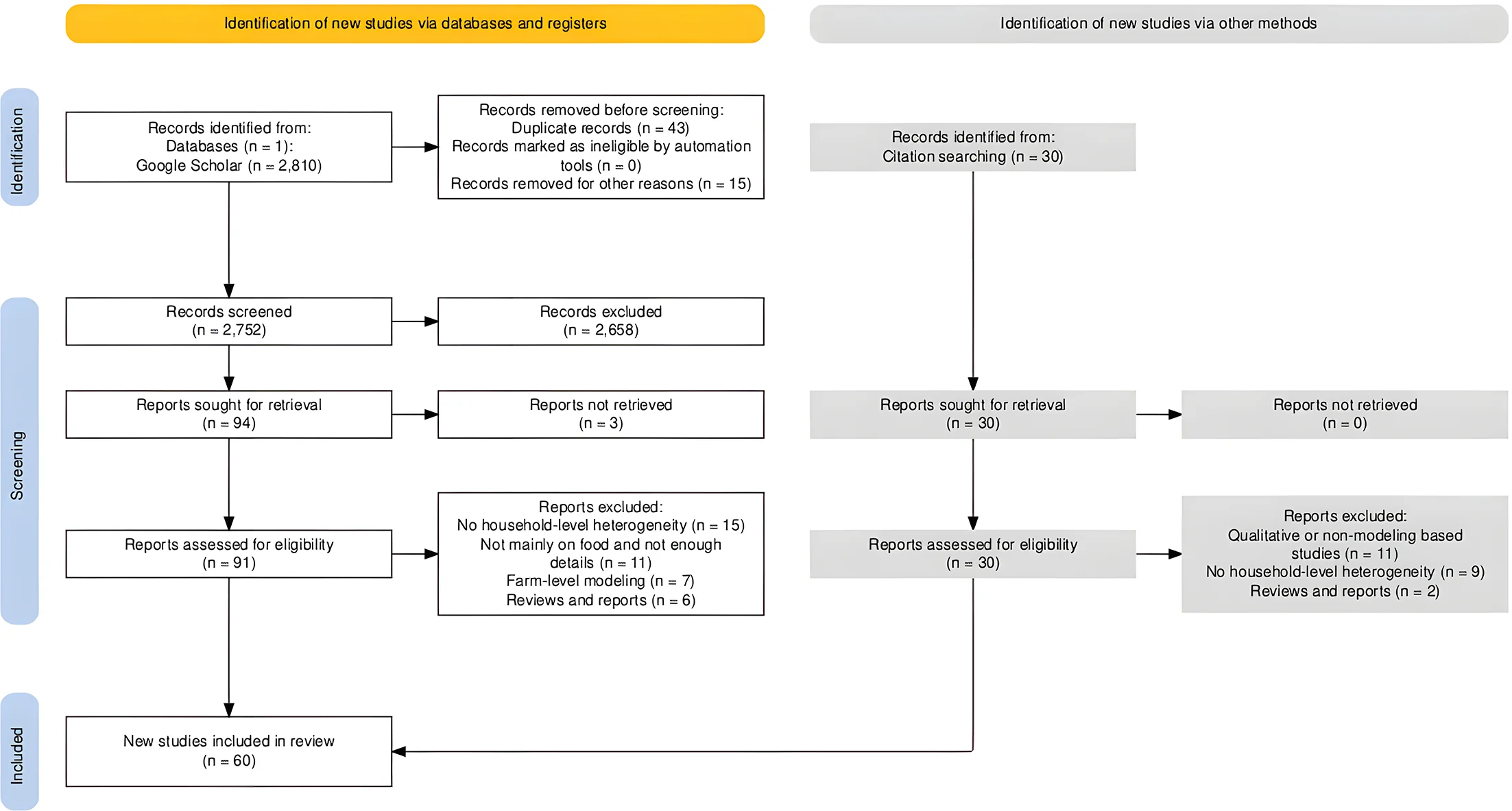
Figure 3. Selection choices.
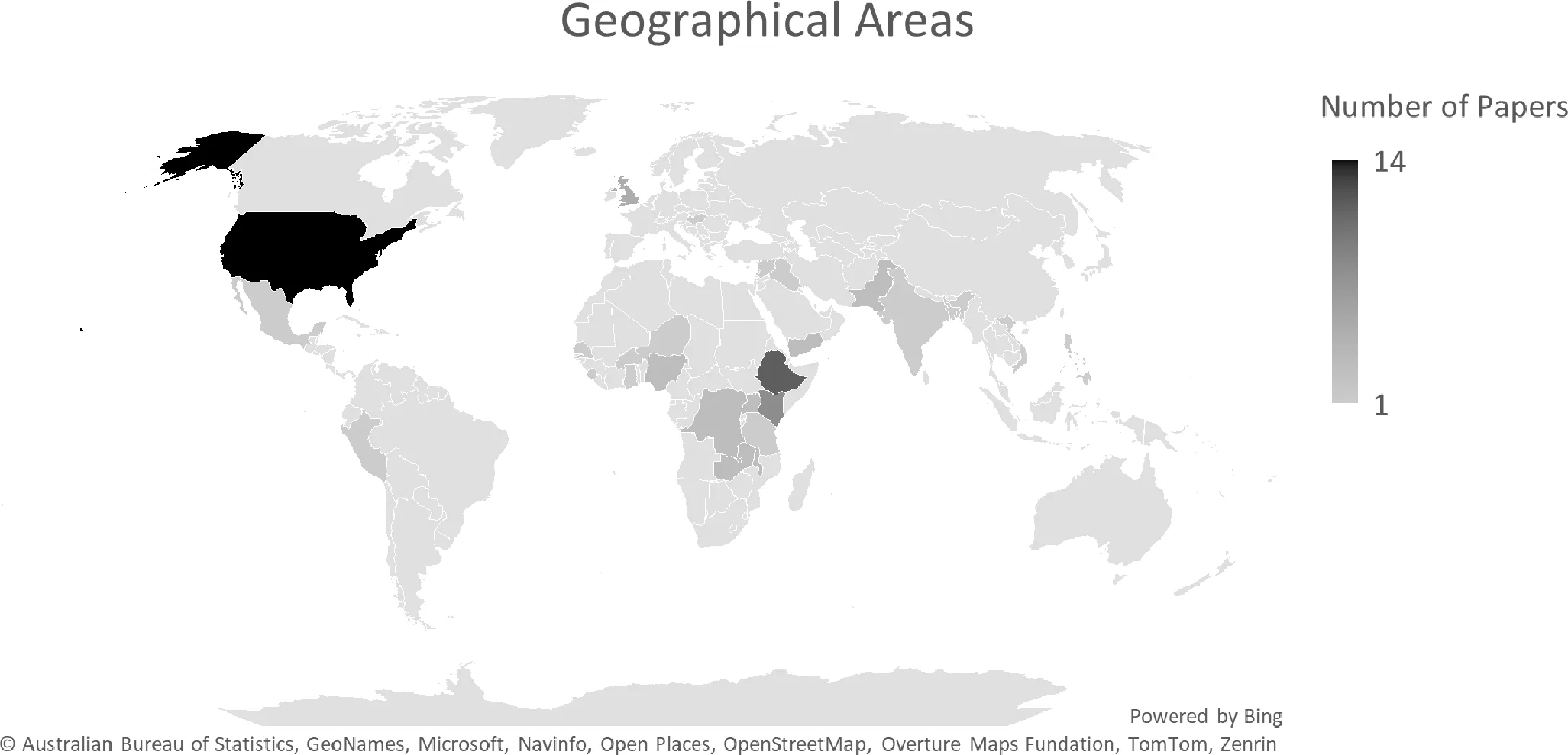
Figure 4. Geographical scope.
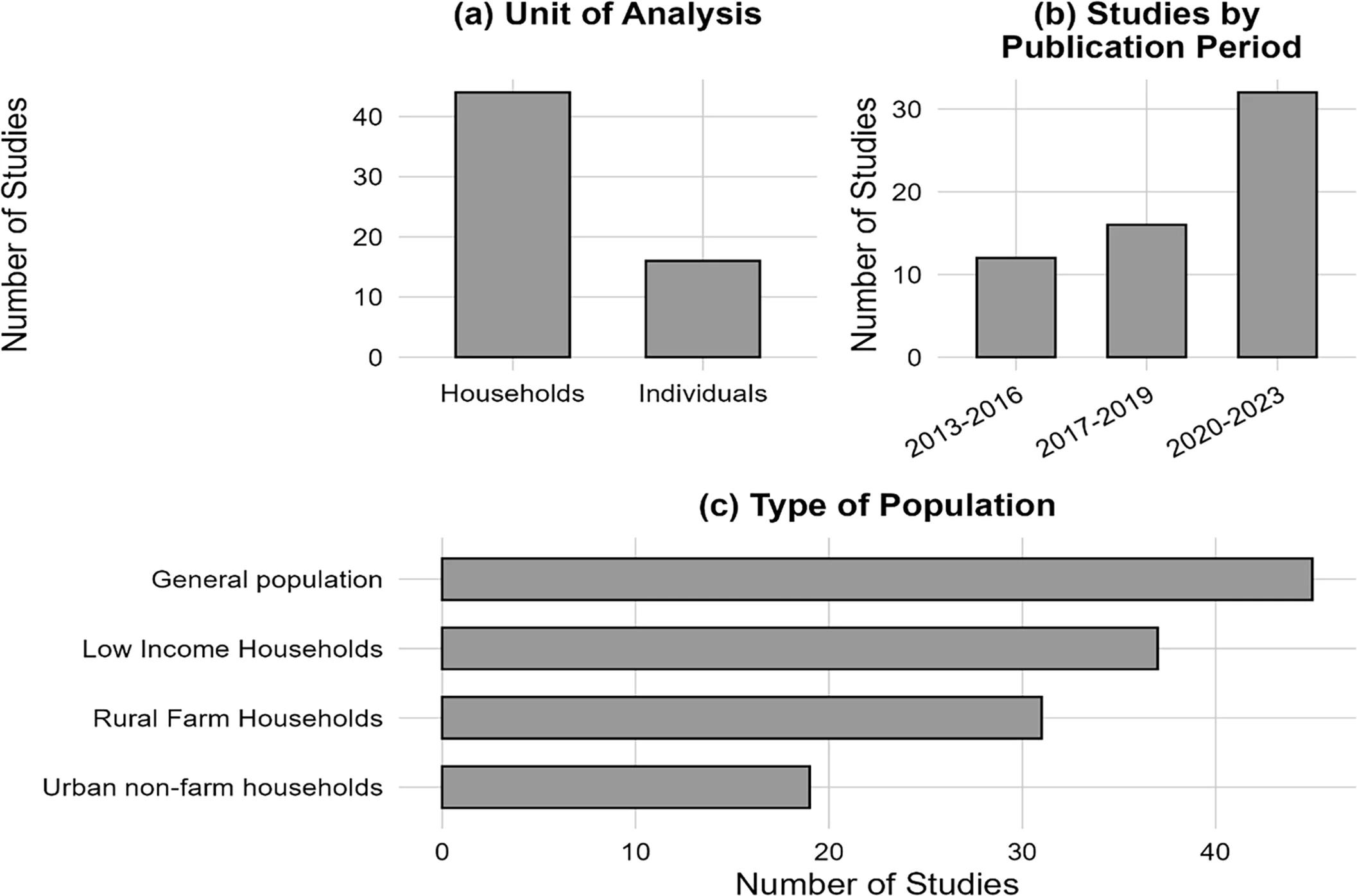
Figure 5. Publication trends, unit of analysis, and sample size.
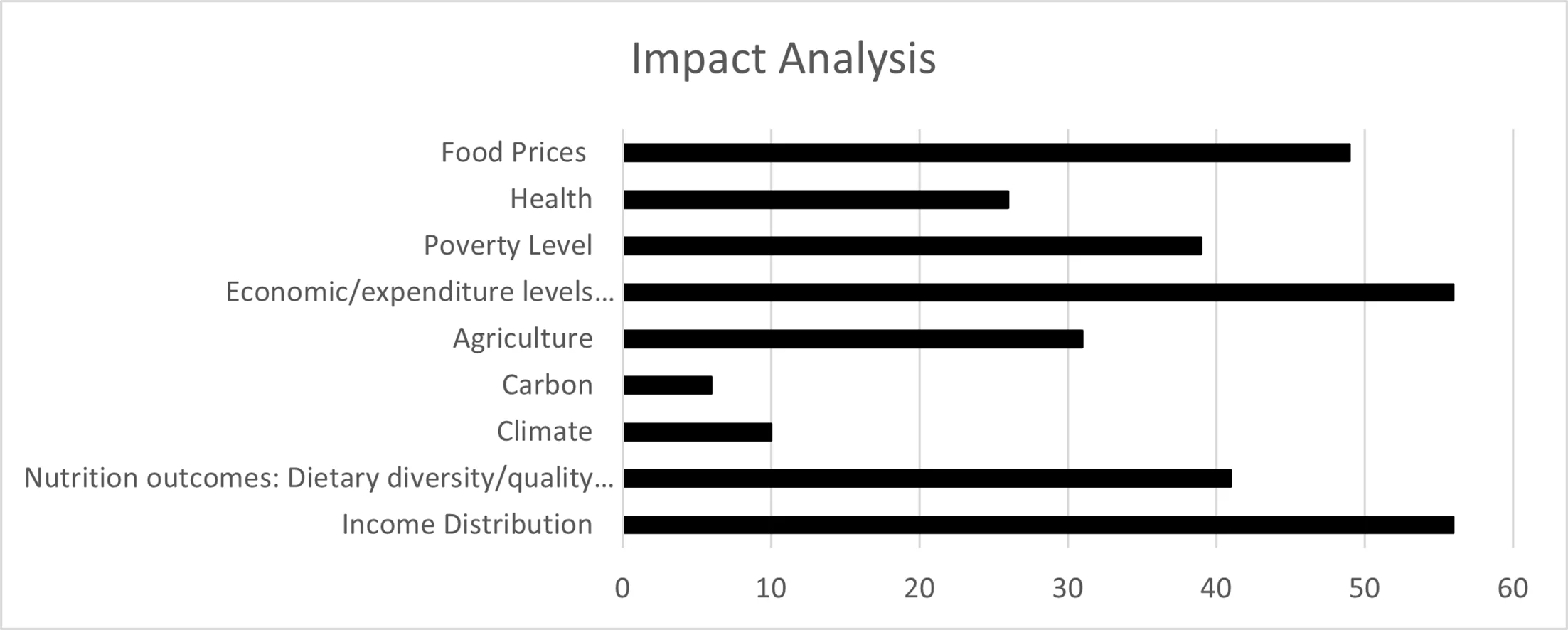
Figure 6. Impact analysis.
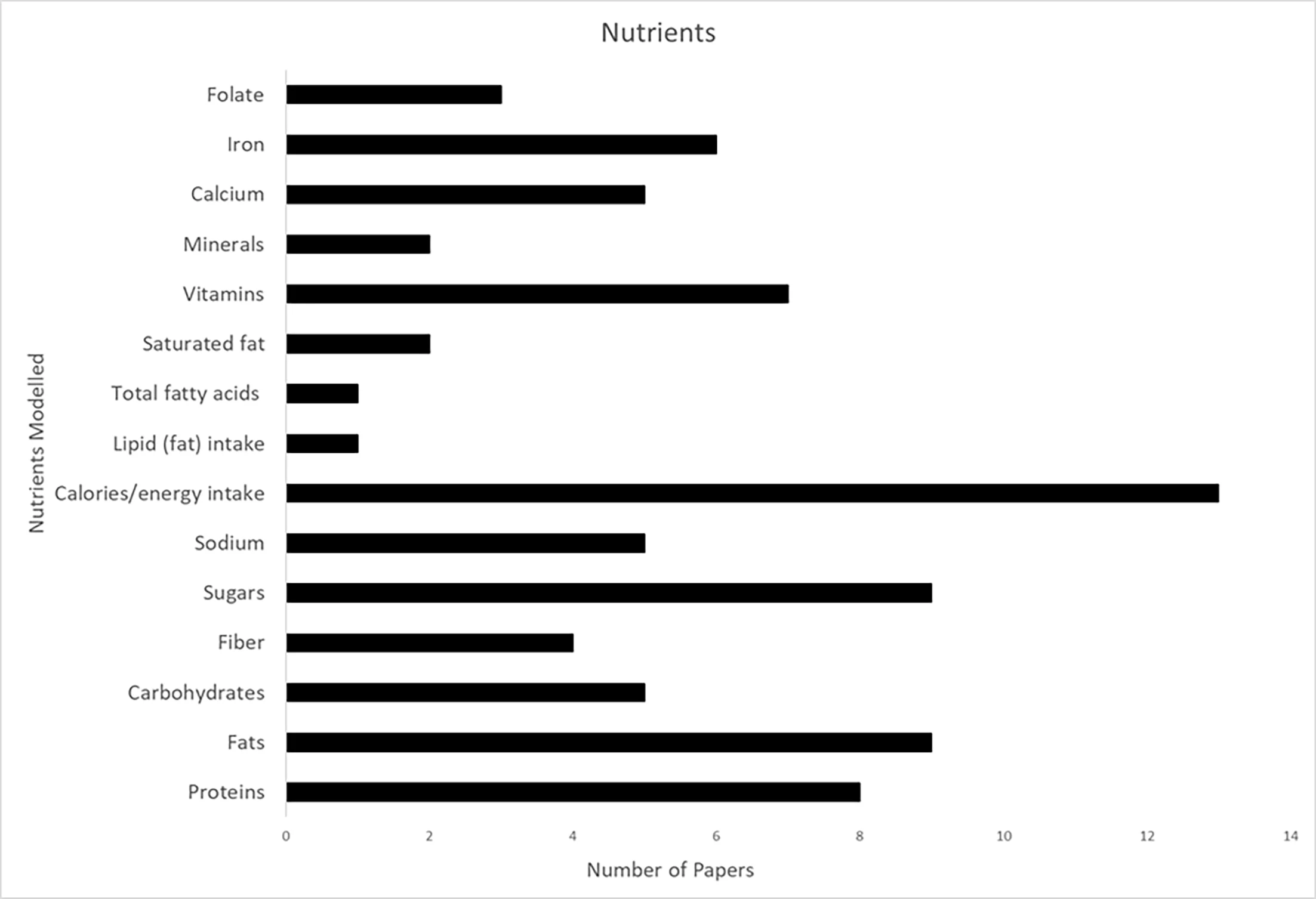
Figure 7. Nutrients Modelled.
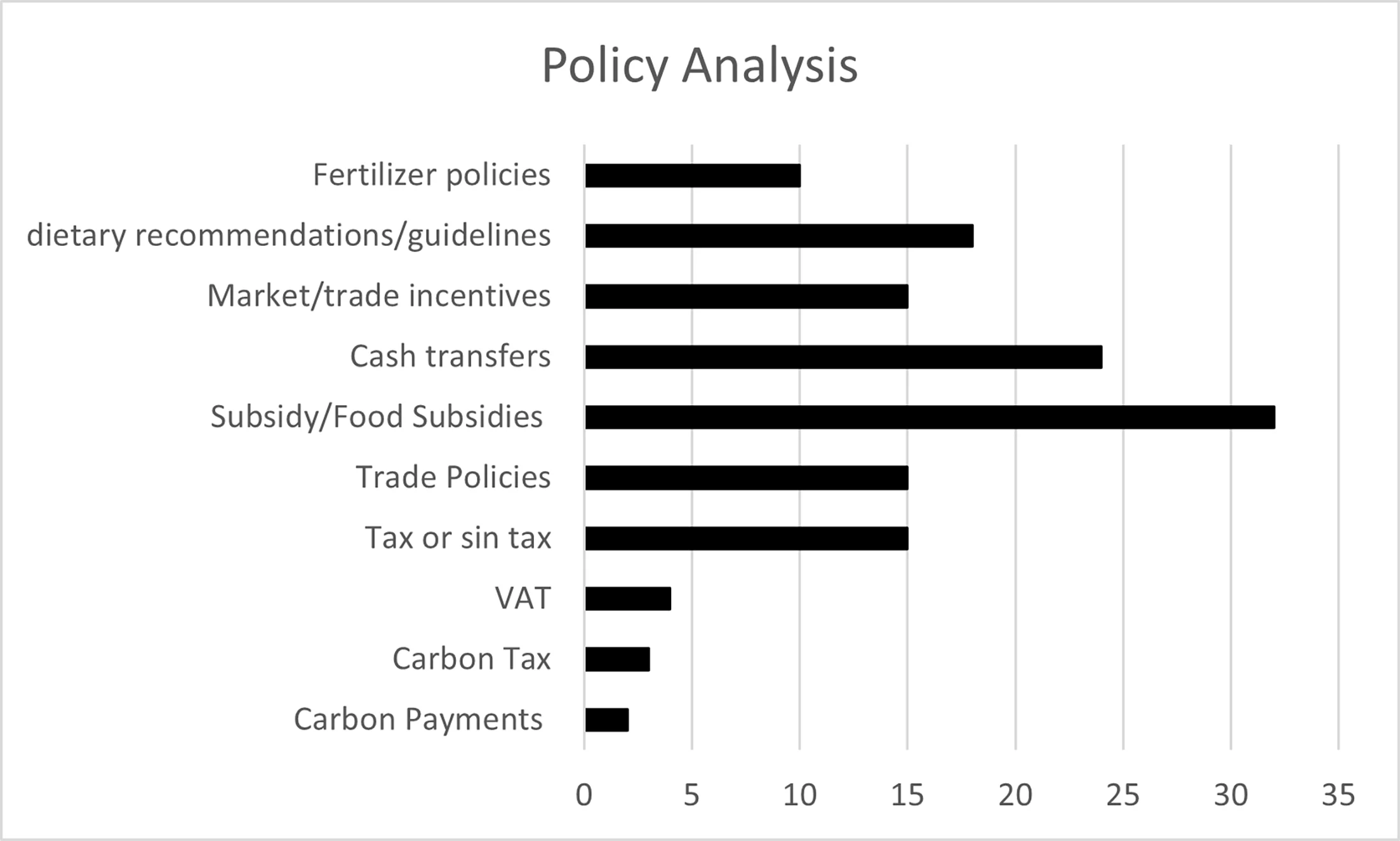
Figure 8. Policy Analyses.

Tables

Table 1. Food security dimensions.
Analytical FocusNumber of PapersProbability
Microsimulation Models60100%
At Least One Dimension60100%
Environment1220%
Affordability5795%
Nutrition4168%
Environment affordability35%
Environment Nutrition58%
Affordability Nutrition2745%
All Dimensions Discussed1016%
Table 2. Application by geographical spread.
Application CategoryAfricaAsiaNorth AmericaEuropeAustralia/OceaniaSouth AmericaCross Continent (Asia/ Africa)
Food Assistance Programs/Food Stamps0150000
Environmental Sustainability1012000
Social Protection and Food Security6411011
Economic Policies and Fiscal Studies5201000
Agricultural Development and Policies10000000
Health Impact and Diet Quality1060101
Climate Change and Food Production2200000
Taxation and Health Economics1013000
Total269147112
Table 3. Type of survey.
Household Budget survey
Type of SurveyNumber of Papers
Household Budget Survey (HBS) / Household Income, Consumption & Expenditure Survey (HICE)39
Rural Household Survey2
Individual Household Method (IHM) Survey1
Total42
Food and Nutrition/Nutrition/ DHS Surveys
Food and Nutrition Survey or DHS12
Nutrition Survey – Medical Expenditure Panel Survey2
Mapping Food Environment Survey2
UN Data & Demographics1
Total17
Both1
Total60
Table 4. Drivers analysed in papers and their coverage.
DriversSocio-economic and Policy DriversEnvironmental and Production DriversDemographic and Agricultural DriversHealth
DriversSocio-economicPolicyConsumer behavior and food preferencesMarketsBio-physicalSupply ChainAgricultural productivityDemographic and SpatialHealth/ Disease Factors
Number Papers595330491312292325
Share97%87%49%63%21%20%48%38%41%