
This article contains 10 figures.
Figures
Research articles · Apr 30, 2011
University of Fribourg, Faculty of Economics and Social Science, Switzerland
Cite as: G. Mueller; 2011; Microsimulation of virtual encounters: A new methodology for the analysis of socio-cultural cleavages; International Journal of Microsimulation; 4(1); 21–34. doi: 10.34196/ijm.00043
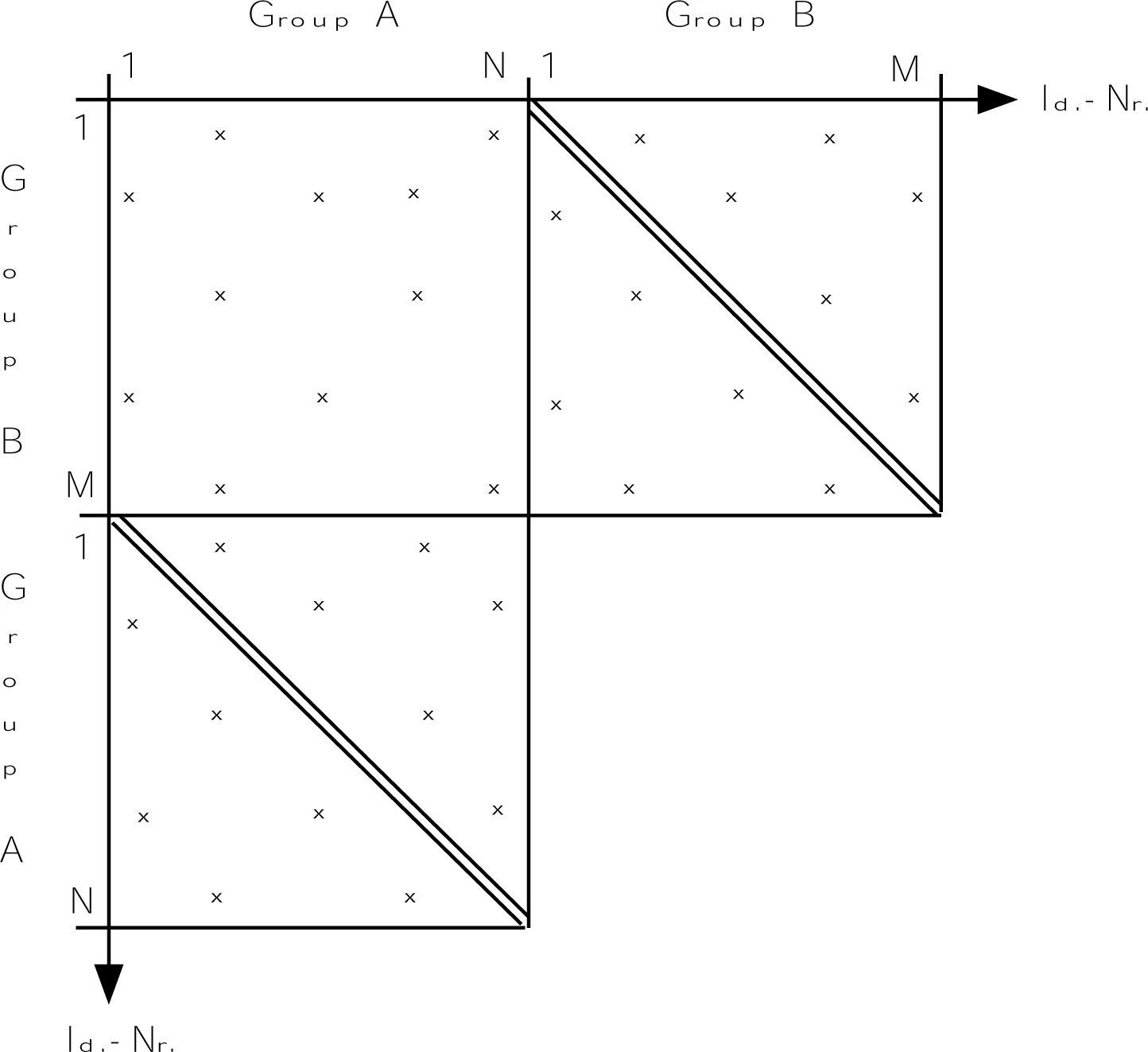
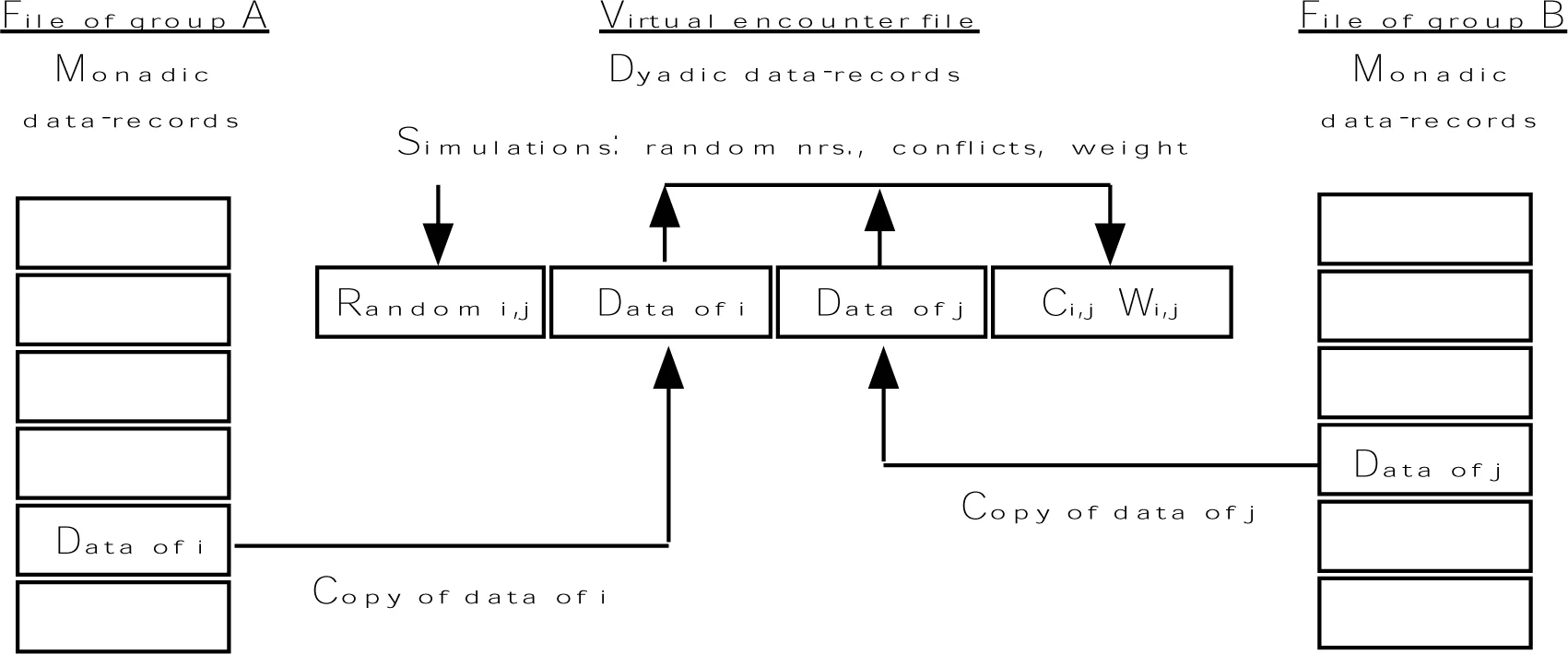
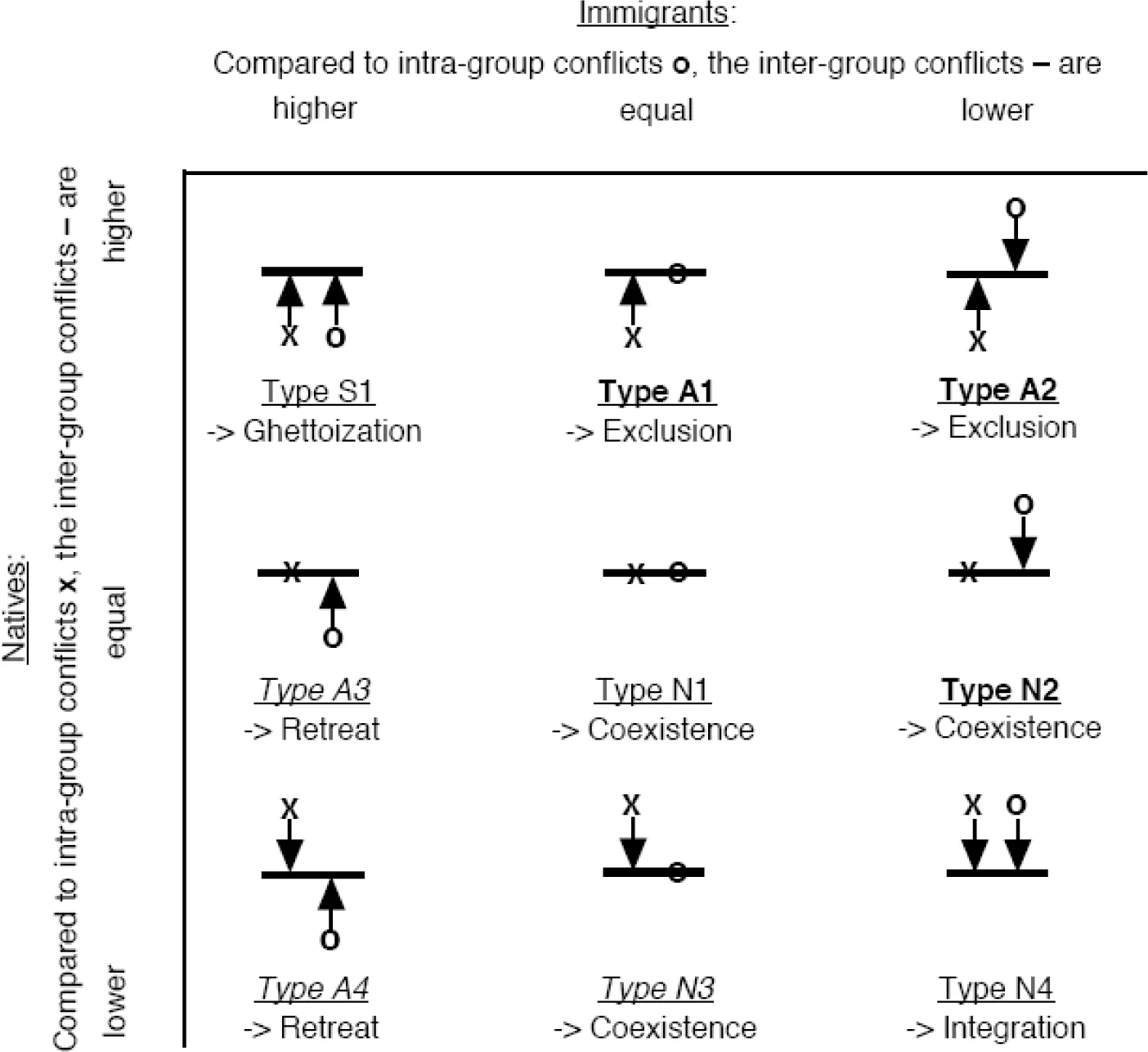
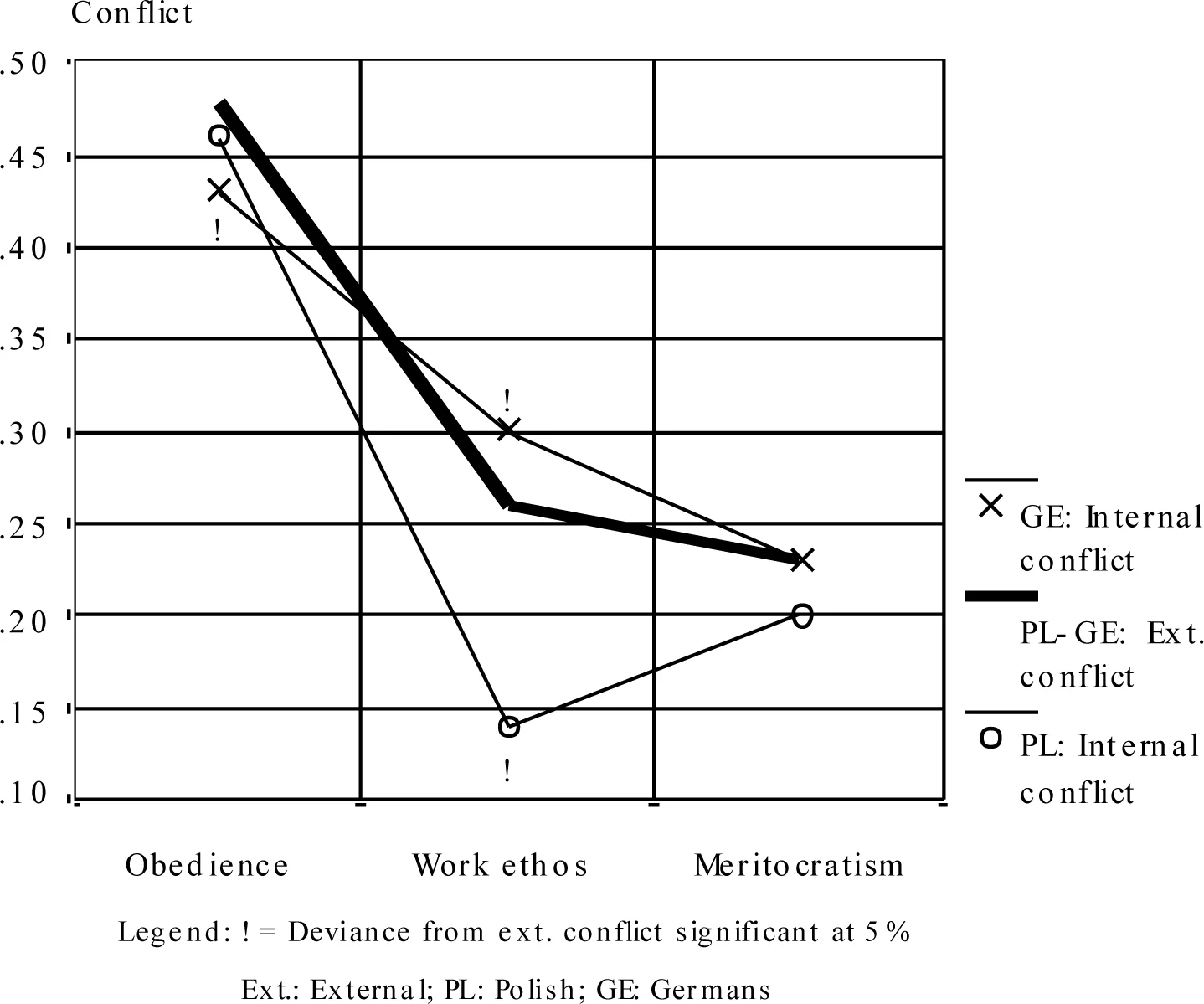
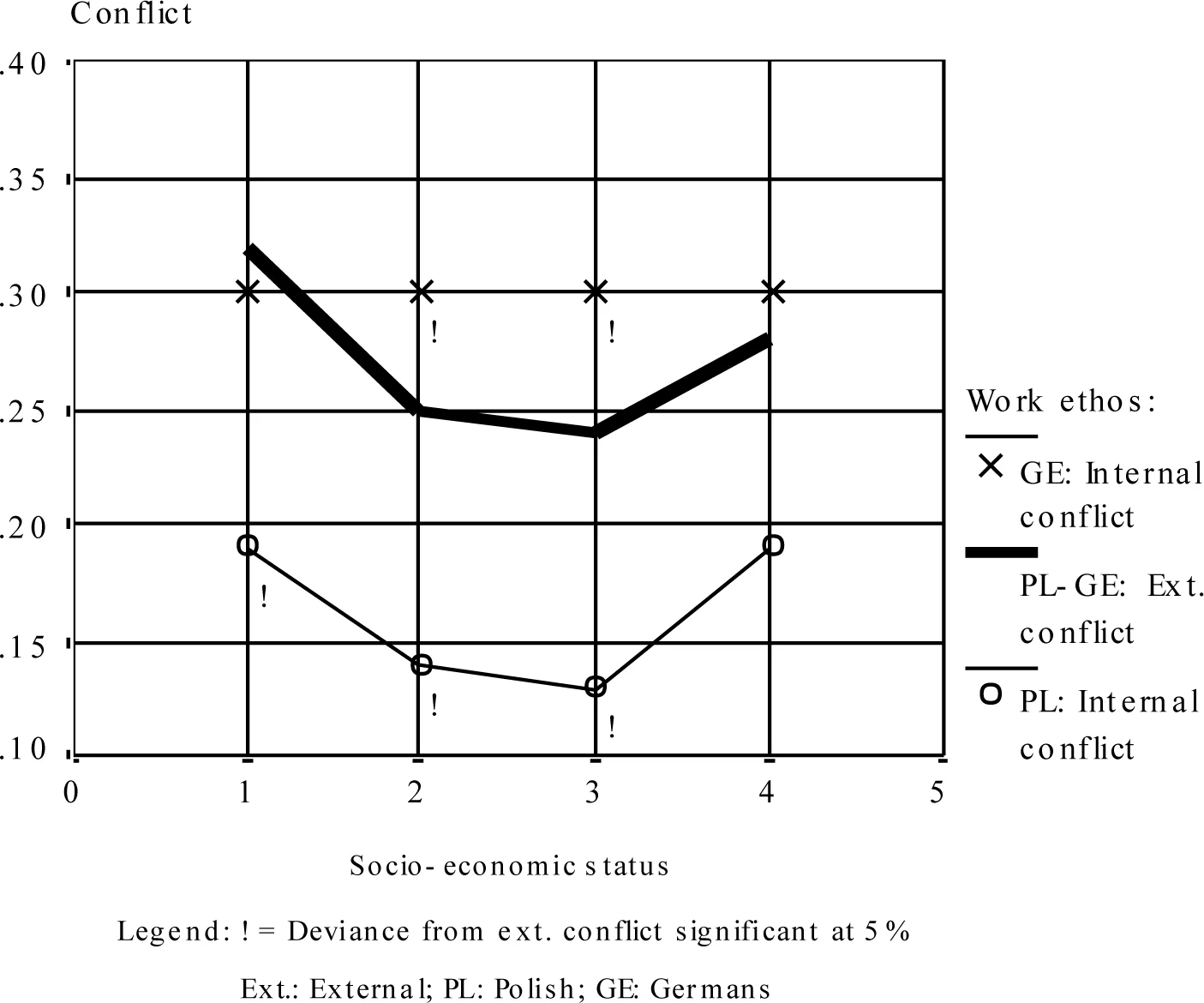
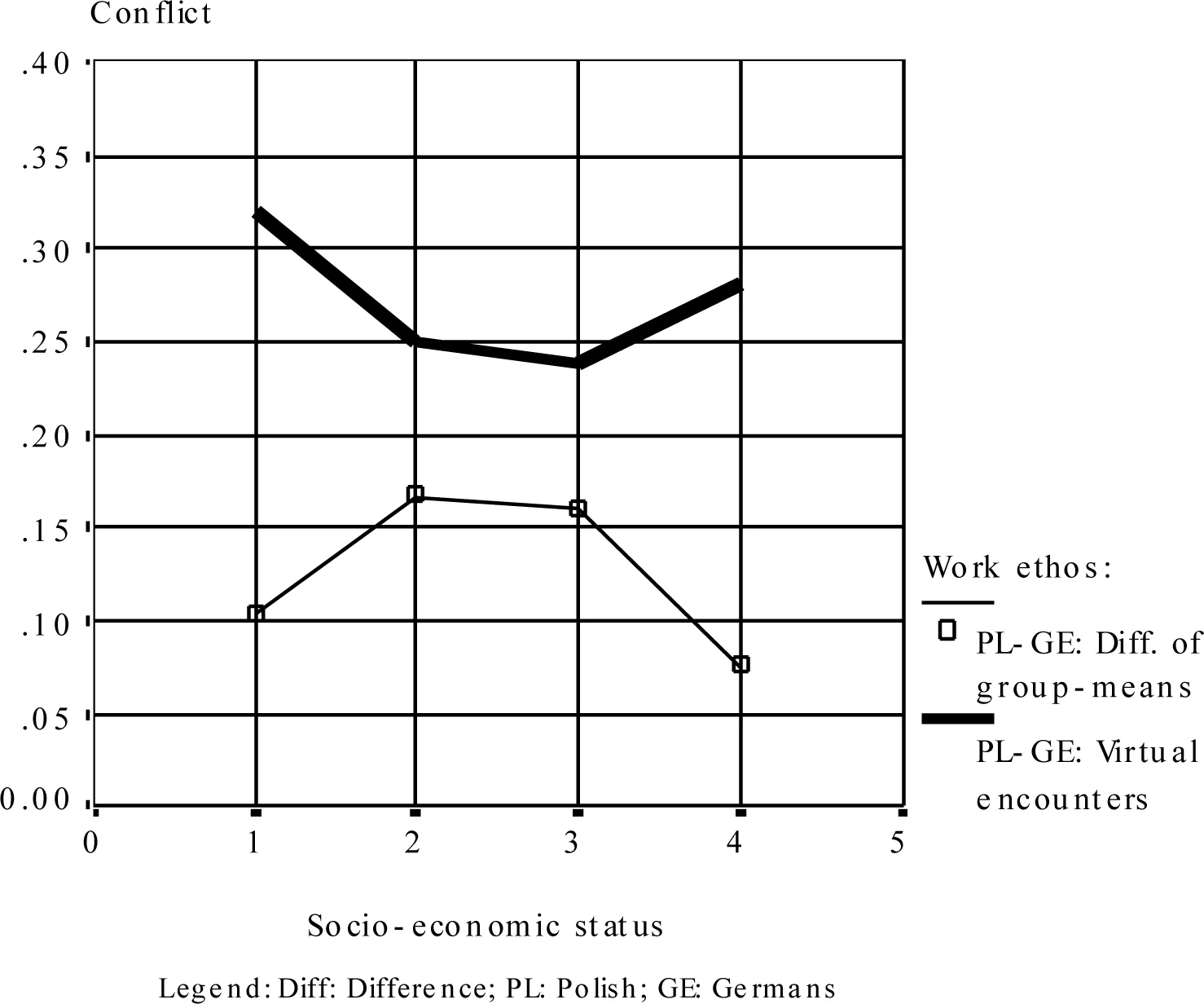
This paper describes a new methodology for the analysis of socio-cultural conflicts in situations where actual conflict information is lacking, but survey data on socio-cultural opinions are available. The methodology is based on an innovative combination of three different approaches: (i) Social network analysis, (ii) microsimulation, and (iii) inferential statistics. Virtual encounters within and across the borders of countries are simulated by randomly matching pairs of persons who answered the same interview questions in the European Values Study 1999/2000, but may be supposed to never have met in real life. The results of these encounters are stored as a new type of dyadic data record. Among other things, each of these dyadic records contains information about the degree of dissent between citizens with regard to various types of work-related values such as obedience to superiors, meritocratism, or work ethos. By aggregation of these simulated value conflicts it becomes possible to anticipate future conflicts within and between groups of natives and immigrants. If conflicts between natives and immigrants are stronger than the corresponding conflicts within each of the two groups, a cleavage situation is predicted, which often results in a ghettoization of immigrated minorities. By focusing on certain categories of immigrants with similar socioeconomic status or age, the analysis can further be refined such that it may also be instrumental for conceptualizing new immigration policies. This is illustrated through an exploration of the potential consequences of Polish migration to Germany.
This article contains 10 figures.