
This article contains 3 figures.
Figures
Methodology, Dynamic microsimulation
Research articles · Jun 30, 2009
Rural Economy Research Centre (RERC), Ireland
Cite as: C. O’Donoghue, J. Lennon, S. Hynes; 2009; The life-cycle income analysis model (LIAM): A study of a flexible dynamic microsimulation modelling computing framework; International Journal of Microsimulation; 2(1); 16–31. doi: 10.34196/ijm.00009
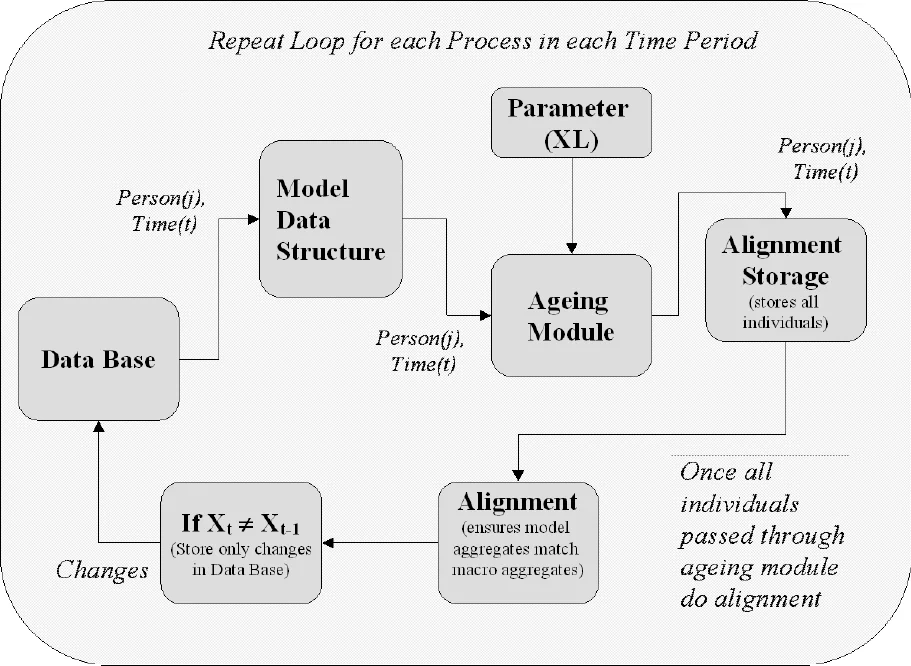
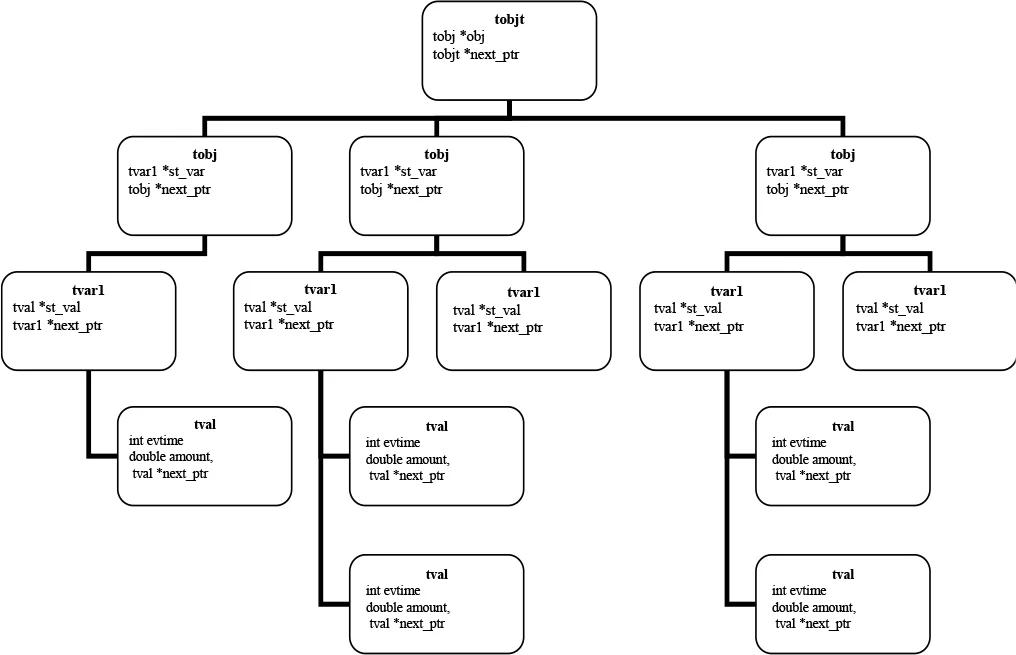
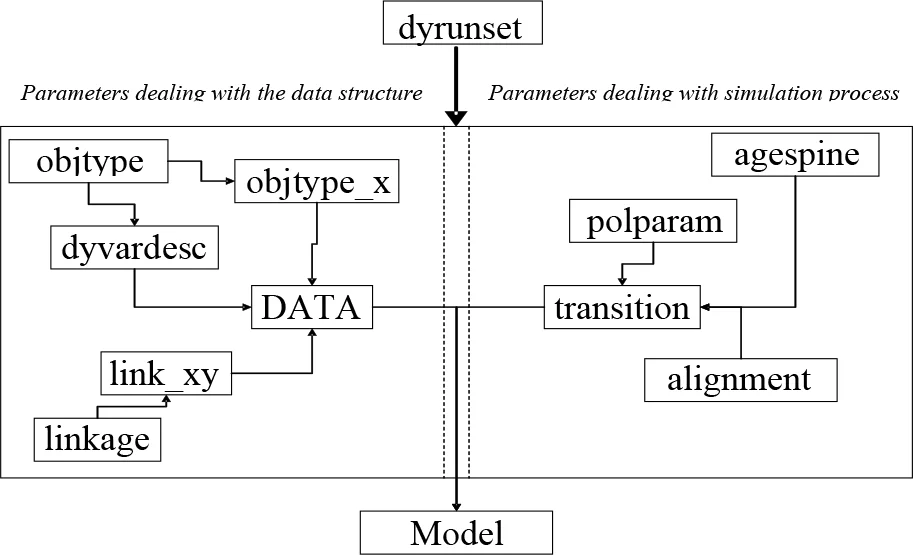
This paper describes a flexible computing framework designed to create a dynamic microsimulation model, the Life-cycle Income Analysis Model (LIAM). The principle computing characteristics include the degree of modularisation, parameterisation, generalisation and robustness. The paper describes the decisions taken with regard to type of dynamic model used. The LIAM framework has been used to create a number of different microsimulation models, including an Irish dynamic cohort model, a spatial dynamic microsimulation model for Ireland, an indirect tax and consumption model for EU15 as part of EUROMOD and a prototype EU dynamic population microsimulation model for 5 EU countries. Particular consideration is given to issues of parameterisation, alignment and computational efficiency.
This article contains 3 figures.